

Understanding the Appeal of Water Lilies
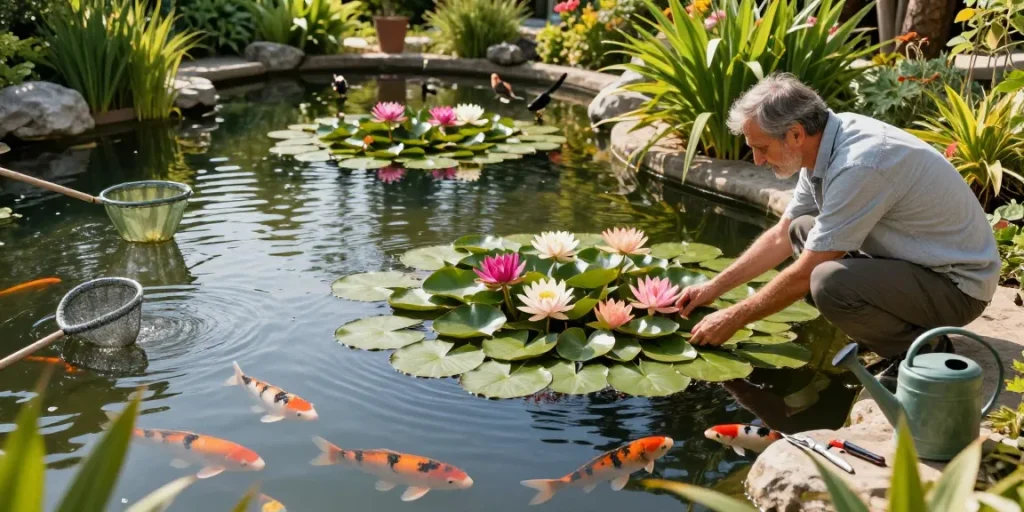
Water lilies, with their enchanting blooms and calming presence, have captivated garden enthusiasts and pond owners for centuries. These stunning aquatic plants not only enhance the beauty of any water feature but also contribute to a balanced aquatic ecosystem. When exploring options, Buy Water Lilies can be a delightful addition to your landscape, offering vibrant colors and serene visuals throughout the growing season. This article delves into the numerous benefits of water lilies, highlights popular varieties, and provides essential guidance for their proper care and incorporation into your gardening design.
What Are Water Lilies and Their Benefits?
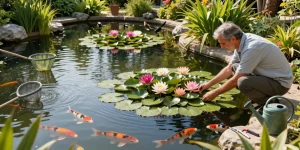
Water lilies (family Nymphaeaceae) are perennial aquatic plants that thrive in still, freshwater environments. They are characterized by large, floating leaves and exquisite flowers that bloom in a range of colors including white, yellow, pink, and blue. Beyond their aesthetic appeal, water lilies purify water by absorbing nutrients and providing shade, which helps reduce algae growth and improve overall pond health. Additionally, they create a habitat for various aquatic life, contributing to biodiversity.
Why Buy Water Lilies for Your Garden?
Investing in water lilies can transform your garden or pond into a stunning oasis. Their ability to bloom from late spring through early autumn means that they continuously provide visual interest. Furthermore, they can improve water clarity while providing shelter for fish and beneficial microorganisms. Whether you’re looking to attract wildlife, create a tranquil space for relaxation, or simply enhance your garden’s beauty, water lilies serve multiple purposes.
Popular Varieties of Water Lilies
When choosing water lilies, consider the various species and hybrids available. Here are some popular options:
- Nymphaea alba (White Water Lily): Known for its large, fragrant white blooms and attractive foliage, ideal for larger ponds.
- Nymphaea rubra (Red Water Lily): This variety produces striking red to dark pink flowers, adding bold color to your water garden.
- Nymphaea ‘Blue Beauty’: A newer hybrid that features vibrant blue flowers and is suitable for smaller ponds.
- Nymphaea ‘Marliac’: Recognized for its long-lasting yellow blooms, perfect for adding brightness to your aquatic landscape.
Expert Tips for Purchasing Water Lilies
Choosing the Right Type for Your Pond
When selecting water lilies, assess your pond’s size, depth, and sunlight exposure. Larger ponds can accommodate a variety of species, while smaller ponds may require dwarf varieties. Assessing these factors will ensure you choose the most suitable lily for your specific environment. For instance, if your pond is shaded, select lilies that thrive in partial shade, such as the Nymphaea ‘White Sensation’.
Where to Buy Quality Water Lilies
Purchasing from reputable garden centers or specialized aquatic nurseries is essential to ensure you get healthy, disease-free plants. Online retailers also offer a wide selection, but it’s crucial to read reviews and check for quality assurance. Local gardening clubs or community plant swaps can also be fruitful avenues for sourcing unique varieties at reasonable prices.
Seasonal Considerations for Buying Water Lilies
Timing your purchase is key to successful establishment. The best times to buy water lilies are in early spring for planting in the same season and late summer for fall planting. Be wary of purchasing water lilies during extreme weather, as their health may be compromised. It’s also beneficial to consider your region’s climate; some varieties may not survive harsh winters without proper care.
Best Practices for Care and Maintenance
Essential Care Tips for Healthy Water Lilies
To maintain flourishing water lilies, consider the following care practices:
- Depth: Ensure the pot is submerged to the correct depth, generally between 18 to 36 inches of water, depending on the variety.
- Sunlight: Most water lilies thrive in full sun; ensure they receive at least 6 hours of direct sunlight daily.
- Aeration: Maintain water quality by ensuring proper aeration. A fountain or aerator can help, especially in smaller ponds.
Common Mistakes to Avoid When Caring for Water Lilies
Many newcomers to water gardening make mistakes that can hinder their water lilies’ growth. Avoid the following:
- Over-fertilizing: Too much fertilizer can lead to excessive algae growth, harming the water quality.
- Improper planting depth: Planting too deep or too shallow can stress the plants.
- Ignoring pests: Common pests such as aphids and snails can affect water lilies if not managed promptly.
Fertilization and Feeding for Optimal Growth
Periodic fertilization is essential for promoting healthy blooms. Use a water lily-specific fertilizer to provide the necessary nutrients. Generally, fertilization once every month during the growing season is sufficient. Additionally, consider adding organic matter or compost to the substrate to enhance the nutrient profile.
Landscape Design Ideas Featuring Water Lilies
Incorporating Water Lilies into Your Garden Design
Water lilies can serve as stunning focal points in any garden landscape. Use them in conjunction with rocks, decorative gravel, and other aquatic plants to create a harmonious environment. Consider using contrasting colors with surrounding plants to enhance their beauty, and use varying heights of aquatic foliage to provide depth and interest.
Water Lily Combinations for Enhanced Aesthetics
For a diverse and visually appealing pond, consider planting water lilies alongside other aquatic plants such as:
- Lotus: They bloom at different times than water lilies, providing continuous color.
- Pickerel Rush: Their height contrasts beautifully with the low-sitting lilies.
- Water Hyacinth: This floating plant adds texture and helps to naturally filter the water.
Creating Habitats for Wildlife Around Your Pond
Water lilies play a crucial role in creating a balanced ecosystem. Their leaves provide shelter for fish and amphibians, while their blooms attract pollinators like bees and butterflies. To make your pond more wildlife-friendly, consider adding additional features such as rocks for basking areas, shallow spots for easy access, and marginal plants along the edges.
Future Trends in Aquatic Gardening for 2026
Innovative Water Plant Varieties to Look For
The world of aquatic gardening is constantly evolving. New hybrid water lily varieties promise not only stunning blooms but also enhanced resistance to pests and improved adaptability to climate conditions. Stay informed about emerging trends to ensure your pond remains picturesque and thriving.
Sustainable Practices for Aquatic Gardening
As environmental awareness grows, more gardeners are turning to sustainable practices. Using organic fertilizers, rainwater collection systems, and natural pest control measures can significantly benefit your pond’s ecosystem. Furthermore, utilizing native aquatic plants alongside water lilies can encourage local wildlife and promote biodiversity.
The Role of Technology in Pond Plant Care
Emerging technologies, including automated monitoring systems for water quality and temperature, are revolutionizing pond management. These innovations allow pond owners to maintain optimal conditions for their water lilies and other plants with minimal effort, ensuring a thriving aquatic environment.
What are the best conditions for growing water lilies?
Water lilies prefer warm temperatures, full sunlight, and still waters. Optimal conditions include a water temperature between 70°F and 85°F, with at least 6-8 hours of sunlight per day and a pH range of 6.5 to 7.5.
How to properly plant water lilies in a pond?
To plant water lilies, choose a container that allows for drainage and fill it with aquatic planting soil. Place the tuber horizontally in the soil, bury it gently, and submerge the container to the appropriate depth based on the variety. Gradually backfill with soil to secure the plant.
What is the ideal maintenance routine for water lilies?
A basic maintenance routine includes monitoring water quality, checking for pests, and removing dead leaves and debris. Regularly fertilizing and ensuring adequate sunlight will promote robust growth and flowering.
Are there specific pests that affect water lilies?
Yes, common pests include aphids, snails, and water lily beetles. Regular inspection and prompt treatment are essential to prevent these pests from damaging your water lilies.
How do water lilies improve pond health?
Water lilies enhance pond health by providing shade, reducing algae growth, and oxygenating the water. Their roots stabilize the pond bed, preventing sedimentation and creating a balanced ecosystem that supports various aquatic life.


More Stories
The Expert Buy Water Lilies Playbook: Strategies That Ensure a Thriving Pond in 2026
Elevate Your Bathroom with Elegant Showers Australia: Design, Features, and Trends
Top Strategies for Choosing Bathroom Remodeling Contractors to Transform Your Space