



Understanding Party Tent Rentals
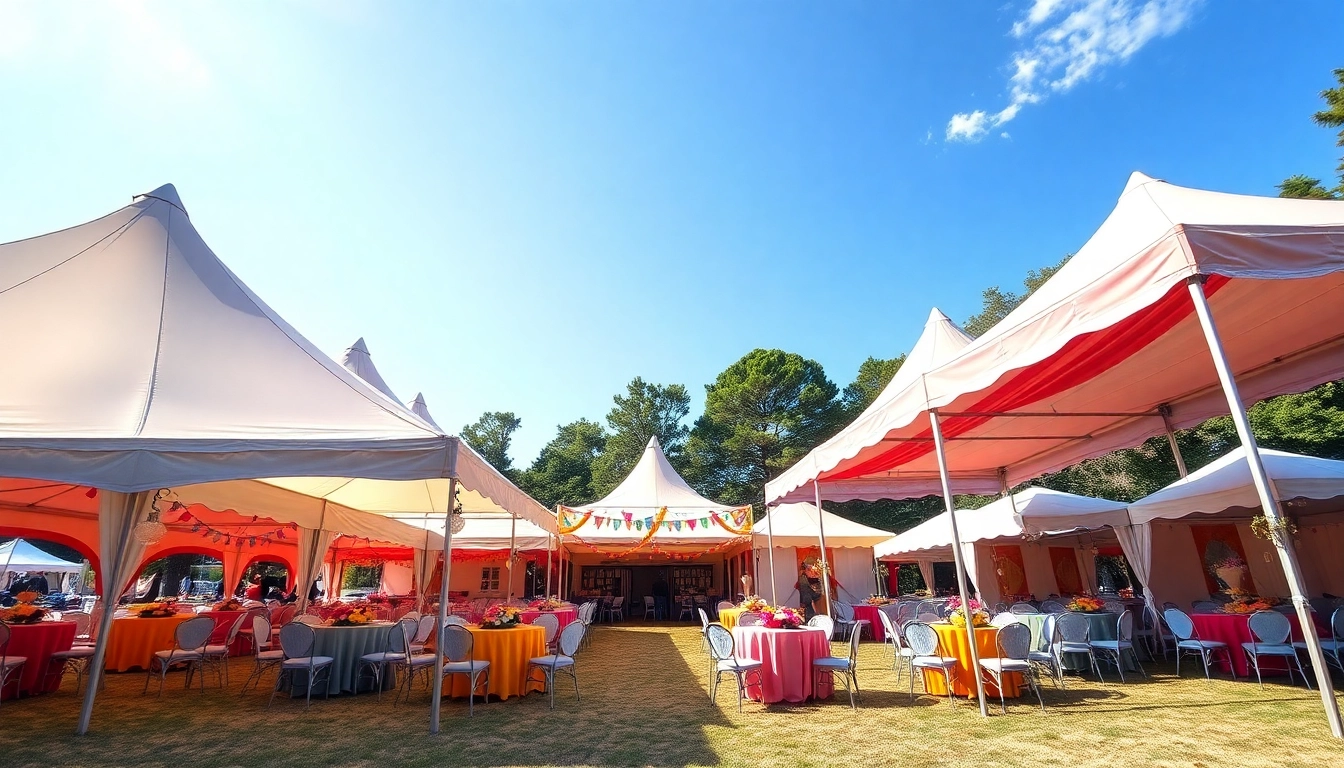
When planning an event, one of the fundamental decisions you’ll face is whether to utilize Party Tent Rentals for your outdoor location. These rentals offer a variety of options to cater to events of different sizes and themes, providing shelter and enhancing the overall experience for all guests. In this comprehensive guide, we will delve into the various aspects of party tent rentals, including their benefits, types, sizing, event planning, set-up tips, and decoration ideas.
Benefits of Using Party Tent Rentals
Party tent rentals present a myriad of advantages that significantly enhance your event experience.
- Protection from Elements: Party tents shield guests from adverse weather conditions such as rain, sun, and wind, ensuring a comfortable atmosphere.
- Versatility: They can be set up in various locations—backyards, parks, or event spaces—making outdoor celebrations feasible across seasons.
- Catering to Guest Count: Rentals come in various sizes, enabling you to accommodate many guests effectively without overcrowding.
- Customization: Many rental companies offer options for adding themed decorations or branding elements tailored to your specific event.
- Cost-Effectiveness: Renting a tent can often be more affordable than building a permanent structure for your event needs.
Types of Party Tent Rentals
Understanding the various types of tents available will aid you in making the best decision for your event.
- Pole Tents: Known for their elegant appearance, pole tents require stakes driven into the ground for support and are ideal for casual gatherings.
- Frame Tents: These tents stand on a strong framework without needing center poles, allowing for maximum space utilization inside.
- Marquee Tents: Designed for larger events, marquee tents create a sophisticated ambiance and are suitable for weddings and corporate functions.
- Pop-up Tents: Easy to set up and transport, pop-up tents are best for smaller events or short-term use.
- Clear Top Tents: Offering a stunning view of the sky, these tents are perfect for evening events and add a touch of glamour to any occasion.
Choosing the Right Size for Your Event
Selecting the proper size tent is crucial for a successful event. Several factors to consider include:
- Guest Count: Estimate the total number of guests. Generally, allow 10 square feet per guest for a seated event and 5 square feet for a standing event.
- Event Type: Different events require different setups. Banquets will need more space than cocktail parties.
- We’re Atmosphere: Consider if you’ll need room for additional elements like a dance floor, buffet, or other activities that require extra space.
Planning Your Event with Party Tent Rentals
Successful planning is essential when using party tent rentals. This stage involves several key components to ensure everything runs smoothly on the day of the event.
Consider the Location and Setup
Your choice of location directly impacts the setup and feasibility of your party tent rental. Here are aspects to keep in mind:
- Ground Condition: Ensure the ground is level and free from obstructions like rocks or tree roots, which can impede setup.
- Accessibility: Consider how vendors and guests will access the location, and whether you need additional arrangements for parking or transportation.
- Permitting: Some locations may require permits for tent setup, particularly in public or commercial spaces.
Essential Accessories for Party Tent Rentals
Enhance the functionality and aesthetics of your tent with essential accessories:
- Lighting: Choose from string lights, chandeliers, or uplighting to create the desired ambiance.
- Sidewalls: These can provide extra protection against wind or rain and enhance privacy for your event.
- Flooring: Consider adding flooring options for stability and improved presentation, especially for formal gatherings.
- Heating and Cooling: Depending on the season, ensure you have adequate heating or cooling equipment to maintain guest comfort.
Weather Considerations
Weather can be unpredictable. When planning for party tent rentals, always keep these considerations in mind:
- Wind Conditions: Ensure your tent is securely anchored to tolerate high winds, especially if operating in a breezy area.
- Temperature Control: Provide fans or heaters to keep the tent comfortable, depending on the season.
- Backup Plans: Have contingency plans for unexpected weather changes, such as additional indoor arrangements.
Decorating Your Party Tent Rentals
Making your tent visually appealing takes planning and creativity. Here are tips for decorating a party tent effectively.
Creative Themes and Ideas
Choosing a theme sets the mood for the event. Here are a few popular ideas:
- Rustic Charm: Incorporate wooden elements, burlap, and soft colors for a cozy atmosphere.
- Elegant Evening: Use blackout sidewalls, chandeliers, and luxe draping for a sophisticated feel.
- Tropical Paradise: Bright colors, floral arrangements, and palm leaves can transform your tent into an island escape.
- Seasonal Themes: Reflect the season with autumn leaves in the fall or pastel flowers in spring.
Lighting Options for Tent Atmosphere
Lighting plays a pivotal role in creating the perfect ambiance. Consider:
- String Lights: A popular choice, they can be strung across the tent to create a magical effect.
- LED Uplights: Add colors to your tent walls, enhancing the mood and making it visually striking.
- Lanterns: These can provide additional lighting while contributing to a themed decor.
Using Furniture and Decor Effectively
Choosing the right furniture can elevate your event significantly:
- Seating Arrangements: Consider different seating styles, from formal tables to casual lounge areas, based on your event.
- Centerpieces: Use beautiful centerpieces that complement your theme and enhance guest experience.
- Interactive Decor: Consider adding photo booths or interactive displays to entertain guests and create memorable experiences.
Setting Up Party Tent Rentals
Proper setup is crucial for ensuring a successful event. Here are the steps involved in setting up your party tent rentals.
Key Steps for a Successful Setup
Setting up your tent rental involves several key steps:
- Plan the layout based on your guest count and activities.
- Ensure the area is clean and free of obstacles.
- Secure the tent according to the manufacturer’s instructions, using stakes or weights as necessary.
- Install any additional elements such as sidewalls, flooring, and lighting.
Safety Measures to Consider
Your guests’ safety must be paramount:
- Wind Stability: Properly stake or weight the tent to prevent collapse due to wind.
- Fire Safety: Ensure the tent is made of flame-retardant material and keep fire extinguishers on hand.
- Emergency Exits: Clearly mark exits to ensure guests can find them quickly if necessary.
Efficient Packing and Unpacking Tips
To streamline your process, observe these packing and unpacking tips:
- Label Components: Clearly label sections of the tent and accessories for easy identification.
- Use Proper Tools: Have the right tools on hand for assembly and disassembly, aiding in efficiency.
- Work as a Team: Enlist help so that packing and unpacking can be done quickly and methodically.
Frequently Asked Questions about Party Tent Rentals
What sizes do party tent rentals come in?
Party tent rentals range from small sizes for intimate gatherings to large tents suitable for weddings or festivals. Choose one based on your guest count.
Can I customize my party tent rental?
Yes! Many rental companies offer customization options, including colors, decorations, and additional accessories to match your event theme.
Are party tents suitable for all weather conditions?
While most party tents are designed to withstand moderate weather, it’s crucial to check local regulations and safety standards regarding extreme weather.
Do I need a permit for party tent rentals?
Permits may be required depending on your location and the size of the tent. Always check with local authorities before your event.
How do I clean and maintain party tent rentals?
Cleaning and maintenance typically involve basic care, such as wiping down surfaces and ensuring no damage occurs during setup and teardown.


More Stories
Mastering Bid-No-Bid Analysis. for Strategic Decision Making
Mastering Bid-No-Bid Analysis. for Effective Business Decisions
Reliable AC Installation Services for Your Home Improvement Needs