
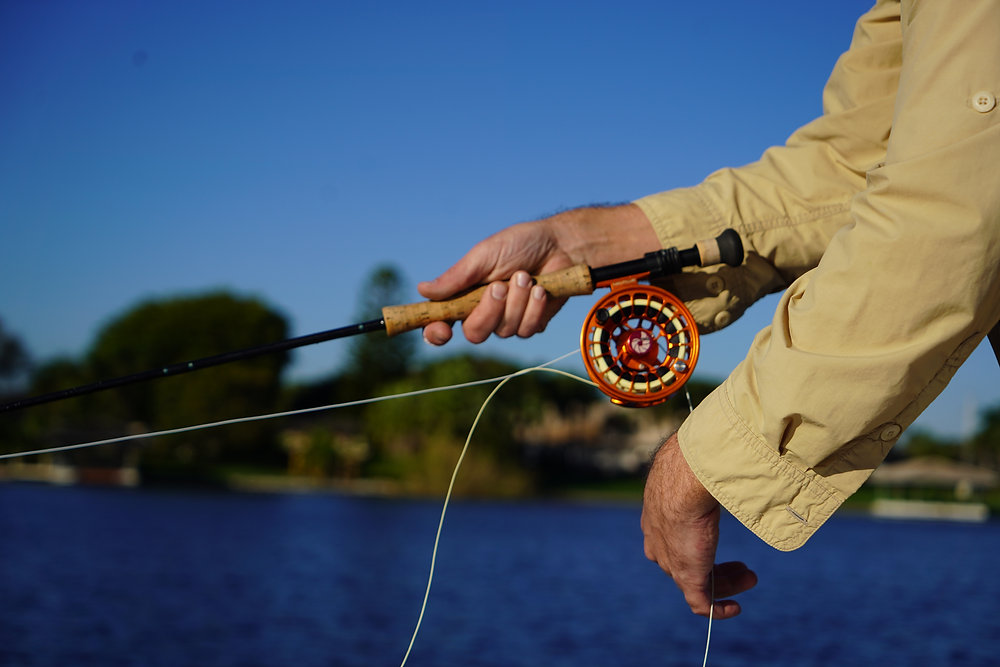
Whether you are a seasoned angler or just starting your fly fishing journey, one of the most crucial yet often overlooked aspects of the sport is proper care for your Fly fishing line. Your line is the connection between you, your rod, and the fish — and without consistent maintenance, even the highest-quality lines can wear out quickly, affecting your casting performance and overall fishing experience. In this article, we’ll explore essential tips and best practices for maintaining your fly fishing line, ensuring it remains in top condition season after season.
Why Maintaining Your Fly Fishing Line Matters
A well-maintained fly fishing line is more than just a convenience; it directly impacts your fishing success. Over time, dirt, grime, UV exposure, and improper storage can degrade the line, making it less smooth and reducing its casting distance. By taking a proactive approach to line care, you can:
- Extend the lifespan of your fly fishing line
- Improve casting accuracy and distance
- Enhance your line’s flotation and presentation
- Prevent unexpected line failures during critical moments
Understanding these benefits emphasizes why investing time in line maintenance is just as important as selecting the right rod or fly.
Cleaning Your Fly Fishing Line
Why Cleaning is Crucial
Fly fishing lines attract dirt, oils, and residues from both your hands and the environment. Even small particles can compromise the line’s performance, causing friction on the rod guides and reducing casting smoothness. Regular cleaning prevents buildup, keeping your line slick and responsive.
Step-by-Step Cleaning Process
- Remove the line from your reel: Lay it out on a clean, flat surface to avoid tangling.
- Use a mild cleaner: A gentle dish soap or specialized fly line cleaner works best. Avoid harsh chemicals that can damage the coating.
- Wipe the line carefully: Use a soft cloth or sponge to gently remove dirt and grime along the entire length.
- Rinse thoroughly: Ensure all soap or cleaner residue is removed.
- Dry completely: Use a dry, lint-free cloth to pat the line dry before rewinding it onto your reel.
Cleaning your line at least once every few outings ensures optimal performance and prevents premature wear.
Proper Storage Techniques
Avoiding Sun and Heat Damage
UV rays can weaken the coating of your fly fishing line, causing it to crack or become brittle over time. Always store your line in a cool, dark place, preferably in its original packaging or a protective case. Avoid leaving it in direct sunlight, a hot car, or near heaters, as prolonged exposure can compromise its integrity.
Spooling Tips for Longevity
When storing a line on a reel, avoid winding it too tightly, as this can create permanent kinks or memory in the line. Spooling it loosely and evenly will help maintain its natural curve, resulting in smoother casts and less line twist during use.
Lubrication and Conditioning
Using Fly Line Dressing
A high-quality fly line dressing helps maintain the line’s slick surface, improves casting distance, and enhances floatation for floating lines. Apply the dressing sparingly along the line, following the product instructions, and use a soft cloth to evenly distribute it.
Frequency of Conditioning
Condition your fly fishing line every few outings or whenever it starts to feel sticky or slow. Regular maintenance ensures your line glides effortlessly through the guides and minimizes friction-related wear.
Inspecting for Wear and Damage
Signs Your Line Needs Attention
Even with careful maintenance, lines can develop issues that compromise performance. Common signs include:
- Cracks or abrasions on the line surface
- Discoloration indicating UV damage
- Uneven glide or reduced casting distance
- Excessive memory or kinks
When to Replace Your Fly Fishing Line
If inspection reveals significant wear, it’s better to replace the line than risk losing fish or breaking during a cast. Regular monitoring allows you to anticipate problems before they affect your fishing experience.
Handling and Casting Tips to Extend Line Life
Avoiding Contact with Abrasive Surfaces
Always be mindful of where your line contacts rocks, sand, or rough surfaces. Abrasion reduces coating integrity and can shorten the line’s lifespan. Lift the line off the ground whenever possible and keep it away from edges or sharp objects.
Proper Casting Techniques
Overstretching or repeatedly snapping the line can weaken it over time. Focus on smooth, controlled casts to minimize stress on the line and guides. This not only protects your line but also improves overall casting accuracy.
Seasonal Care and Storage
Preparing for Winter Storage
If you won’t be fishing during colder months, clean, dry, and spool your fly fishing line loosely on the reel before storing it. Check for signs of wear before storage, and apply a light coating of fly line dressing to prevent drying and cracking.
Pre-Season Maintenance
Before the fishing season begins, inspect your line for any damage or memory issues, clean it thoroughly, and apply fresh dressing. This preparation ensures your fly fishing line performs at its best right from the first cast.
Common Mistakes to Avoid
- Using harsh chemicals for cleaning
- Storing line in direct sunlight or high temperatures
- Over-tight spooling on the reel
- Neglecting regular inspection and maintenance
Avoiding these mistakes significantly extends the life and performance of your line.
Conclusion: Protect Your Investment
Maintaining your fly fishing line is an essential practice for any angler serious about performance and longevity. From regular cleaning and proper storage to applying line dressing and inspecting for wear, each step contributes to smoother casts, better accuracy, and a more enjoyable fishing experience. By incorporating these tips into your routine, your fly fishing line will remain reliable and efficient, season after season. Take the time to care for your line — your future self (and the fish) will thank you.