
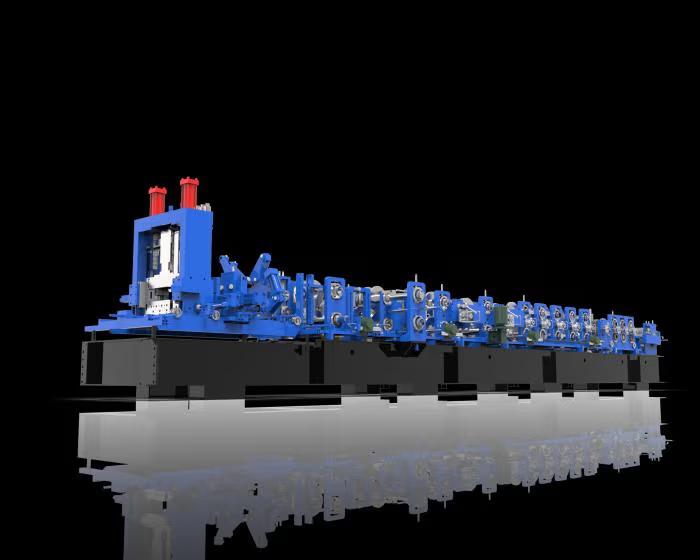
Material selection plays a critical role in the success of any roll forming project. The quality, strength, and characteristics of the chosen material directly affect production efficiency, product performance, and overall manufacturing costs. As industries continue to demand high-quality metal components, selecting the right material has become an essential part of modern roll forming operations.
Whether manufacturers are using a cold formed steel machine to produce structural profiles or a curving machine for specialized shaping applications, the material must be suitable for both the production process and the intended end use. Choosing the right material helps ensure consistent results while reducing waste and operational challenges.
Why Material Selection Matters in Roll Forming
Roll forming is a precision manufacturing process that gradually shapes metal into specific profiles through a series of rollers. Different materials respond differently during forming, making material selection an important factor in achieving accurate and reliable results.
Using the correct material can improve product quality, support efficient production, and reduce unnecessary wear on equipment. Poor material choices may lead to forming difficulties, inconsistent dimensions, increased scrap rates, and higher maintenance requirements.
For manufacturers operating a cold formed steel machine, selecting materials with appropriate strength and formability helps maintain smooth production while ensuring finished products meet industry requirements.
Benefits of Choosing the Right Material
The right material can provide several advantages throughout the manufacturing process. It can improve product durability, support dimensional accuracy, and enhance overall production efficiency.
Proper material selection also helps manufacturers achieve better performance in demanding applications. Different projects may require specific properties such as corrosion resistance, structural strength, flexibility, or lightweight construction.
Common factors considered during material selection include:
- Material strength and durability
- Formability and bending performance
- Corrosion resistance
- Surface finish requirements
- Thickness and dimensional consistency
- Application-specific performance needs
By evaluating these factors carefully, manufacturers can select materials that support both production goals and long-term product performance.
Material Considerations for Curving Applications
When using a curving machine, material characteristics become especially important. Certain metals can be curved more easily than others, while some may require additional processing to achieve the desired shape.
Materials with good flexibility and consistent quality help improve bending accuracy and reduce the risk of cracking or deformation. This allows manufacturers to produce smooth, reliable curved profiles for construction, architectural, and industrial applications.
Careful material selection also helps maintain equipment performance by reducing unnecessary stress on forming rollers and machine components.
Choosing the Right Material for Production Requirements
Every roll forming project has unique requirements, making it important to evaluate materials based on the final application. Factors such as load-bearing capacity, environmental conditions, product lifespan, and manufacturing efficiency should all be considered during the selection process.
Working with reliable material suppliers and understanding production requirements can help manufacturers make informed decisions. A well-chosen material not only improves production performance but also contributes to higher-quality finished products.
Conclusion
As roll forming technology continues to support a wide range of industries, material selection remains one of the most important factors in successful production. The right material can improve efficiency, product quality, and long-term performance while reducing waste and operational challenges.
Whether using a cold formed steel machine for structural manufacturing or a curving machine for custom metal shaping, choosing suitable materials helps create reliable products and supports consistent manufacturing results.