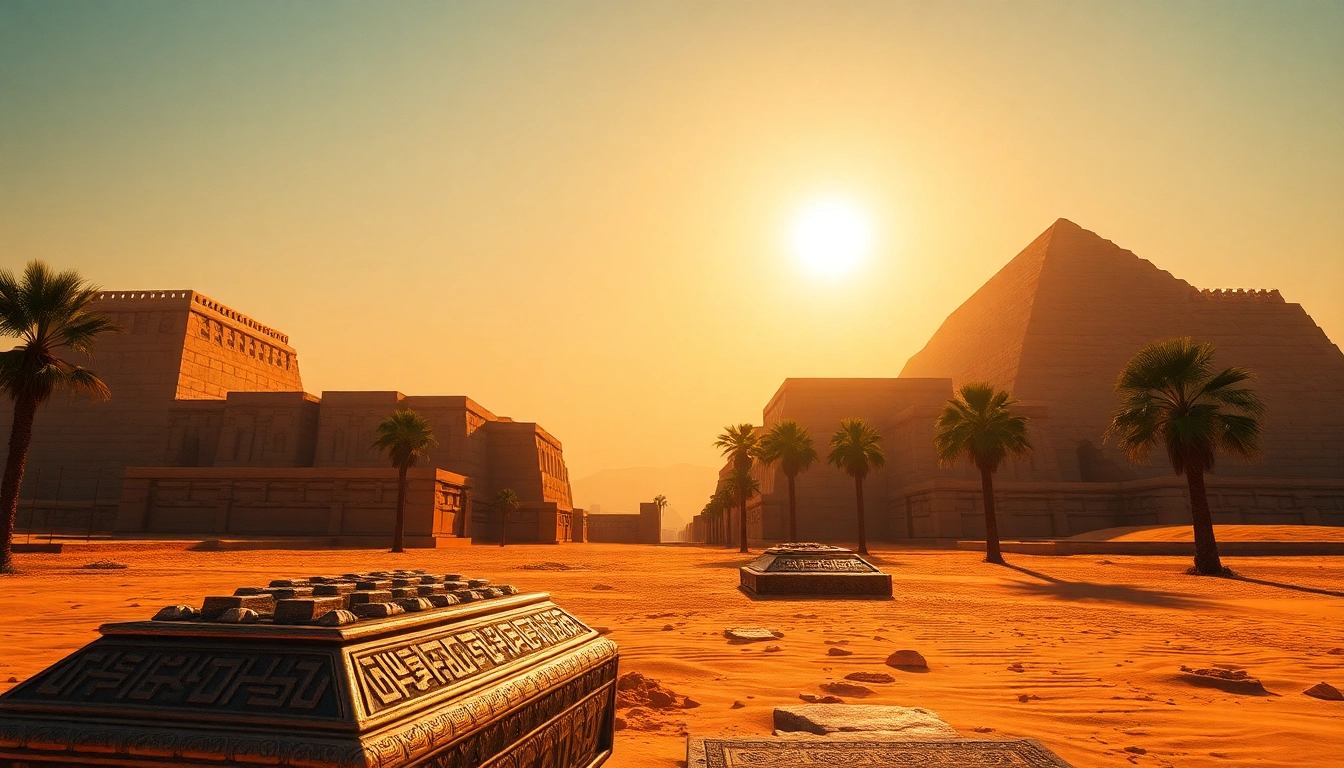
The piraminds are one of humanity's most iconic architectural achievements, representing the apex of ancient engineering and cultural expression. With a legacy that spans millennia, these monumental structures not only served as burial sites for pharaohs but also embodied the religious, political, and social dynamics of ancient civilizations. This article will explore the multifaceted significance of the piraminds, delving into their historical context, architectural features, functionality, recent discoveries, and global impact.
The Historical Context of Piraminds
Origins and Construction Techniques
The origins of the piraminds date back over 4,500 years to the early dynastic period of Egypt. The earliest pyramids, such as the Step Pyramid of Djoser, marked a significant evolutionary leap from the simpler mastaba structures that preceded them. Constructed primarily using limestone and granite, these ancient edifices were created with remarkable precision. Techniques employed included the use of ramps to transport massive stone blocks, alongside highly skilled labor and organizational acumen.
The Cultural Significance
Beyond their role as tombs, the piraminds served as symbols of the social hierarchy and the afterlife beliefs of ancient Egyptians. They signified a pharaoh's divine right to rule and their journey to immortality, reflecting the culture's intricate belief systems surrounding death and the afterlife. Iconography and inscriptions found within and around the piraminds further illustrate the religious fervor and societal values of the period.
Piraminds in Ancient Civilization
As centers of administration and religion, piraminds were not isolated structures; they were part of a larger complex that included temples, chapels, and administrative buildings. This spatial organization reinforced the power structures of ancient Egypt and showcased the civilization's advanced understanding of architecture, engineering, and urban planning.
Architectural Features of Piraminds
Design and Symbolism
The design of the piraminds often featured symbolic elements that conveyed deeper meanings. The pyramid shape itself represented a stairway to the heavens, aligning with the ancient Egyptians' beliefs about the afterlife. The Great Pyramid of Giza, for instance, was precisely positioned to reflect the cardinal points, and its internal chambers were constructed with incredible accuracy to facilitate the pharaoh's journey to the afterlife.
Main Materials Used
Mainly constructed with limestone, granite, and basalt, the materials used in piramid construction were selected for their durability and aesthetic appeal. The outer casing, often made from polished Tura limestone, reflected sunlight and contributed to the majestic appearance of these structures, making them visible from great distances.
Innovative Engineering Methods
The engineering methods employed in the creation of the piraminds were groundbreaking for their time. Techniques such as the use of levers, sleds, and rollable logs were used to transport heavy stones. The construction of the Great Pyramid is an impressive feat of mathematical precision and resource management, showcasing the ancient Egyptians' advanced understanding of geometry and physics.
Exploring the Functionality of Piraminds
Tombs and Burial Practices
The primary function of the piraminds was to serve as elaborate tombs for pharaohs and high-ranking officials. These burial sites were designed to provide a smooth transition into the afterlife, with vast chambers filled with offerings, treasures, and provisions intended to support the deceased. Mummification practices were also integral to these rituals, reflecting the ancient Egyptians’ beliefs about the preservation of the body for the afterlife.
Religious and Astronomical Alignments
Many piraminds were constructed with careful consideration of astronomical alignments. The pyramids of Giza, for example, were oriented with incredible precision to the cardinal points, likely reflecting the ancient Egyptians' belief in the connection between the cosmos and the afterlife. These alignments served ceremonial purposes and facilitated the pharaoh's ascendance to the heavens, reinforcing their divine status.
Art and Hieroglyphs Inside
Inside the piraminds, walls were often adorned with intricate hieroglyphs and artwork depicting scenes from the afterlife, religious rituals, and the pharaoh’s achievements. These forms of expression not only provided insights into the beliefs of the time but also served practical purposes in assisting the deceased in their journey to the afterlife, acting as guides through the underworld.
Recent Discoveries Related to Piraminds
New Archaeological Findings
Recent advancements in archaeological techniques have led to exciting discoveries, including hidden chambers and passageways within long-standing piramid structures. Discoveries made using imaging technology have unveiled new information about the construction methods and purposes of these structures, providing insights into the daily lives of those who built and used them.
Technological Advances in Exploration
Contemporary technologies such as ground-penetrating radar and 3D scanning have revolutionized the exploration of piraminds. These technologies allow researchers to visualize subsurface structures without damaging the existing architecture, unveiling new architectural features and the potential for yet-undiscovered chambers.
Impact on Understanding Ancient Egypt
Each new finding contributes to a fuller understanding of ancient Egyptian culture, religion, and daily life. The ability to explore piramid sites non-invasively has sparked a renaissance in Egyptology, prompting reevaluations of established narratives around ancient Egyptian civilization and its monumental architecture.
The Global Influence of Piraminds
Replicas and Adaptations Worldwide
The influence of piramids has extended far beyond Egypt, inspiring the construction of similar structures across the globe. From the pyramids of Mesoamerica to modern interpretations, these architectural forms have been adopted and adapted, showcasing the enduring fascination with and significance of pyramidal design.
Modern Interpretations in Art and Media
Piraminds continue to captivate the imagination, appearing in various forms of art and media. From literature to film, the mystique of these structures serves as a powerful metaphor for the quest for immortality and human achievement, highlighting their cultural relevance in contemporary storytelling.
Tourism and Economic Impact Today
The piramids are among the most sought-after tourist attractions in the world, drawing millions of visitors each year. This influx of tourism not only contributes significantly to the Egyptian economy but also plays a vital role in preserving these historical sites. Efforts to maintain and educate the public about their cultural heritage underscore the importance of the piramids as a global legacy.
Frequently Asked Questions
What is the purpose of the piraminds?
Piraminds primarily served as tombs for pharaohs and high officials, helping them transition to the afterlife while showcasing their power.
How were the piraminds constructed?
Piraminds were built using limestone and granite, employing ramps and levers to move large stones, reflecting advanced engineering skills.
What do the hieroglyphs inside the piraminds represent?
The hieroglyphs depict religious beliefs, rituals, and the pharaoh's accomplishments, serving as guides for the deceased in the afterlife.
Are there any hidden chambers in piraminds?
Recent archaeological studies using modern technology have revealed hidden chambers and passageways that were previously unknown.
What is the significance of the pyramids today?
Piraminds hold cultural, historical, and economic significance, drawing millions of tourists and being vital for studying ancient Egyptian civilization.