
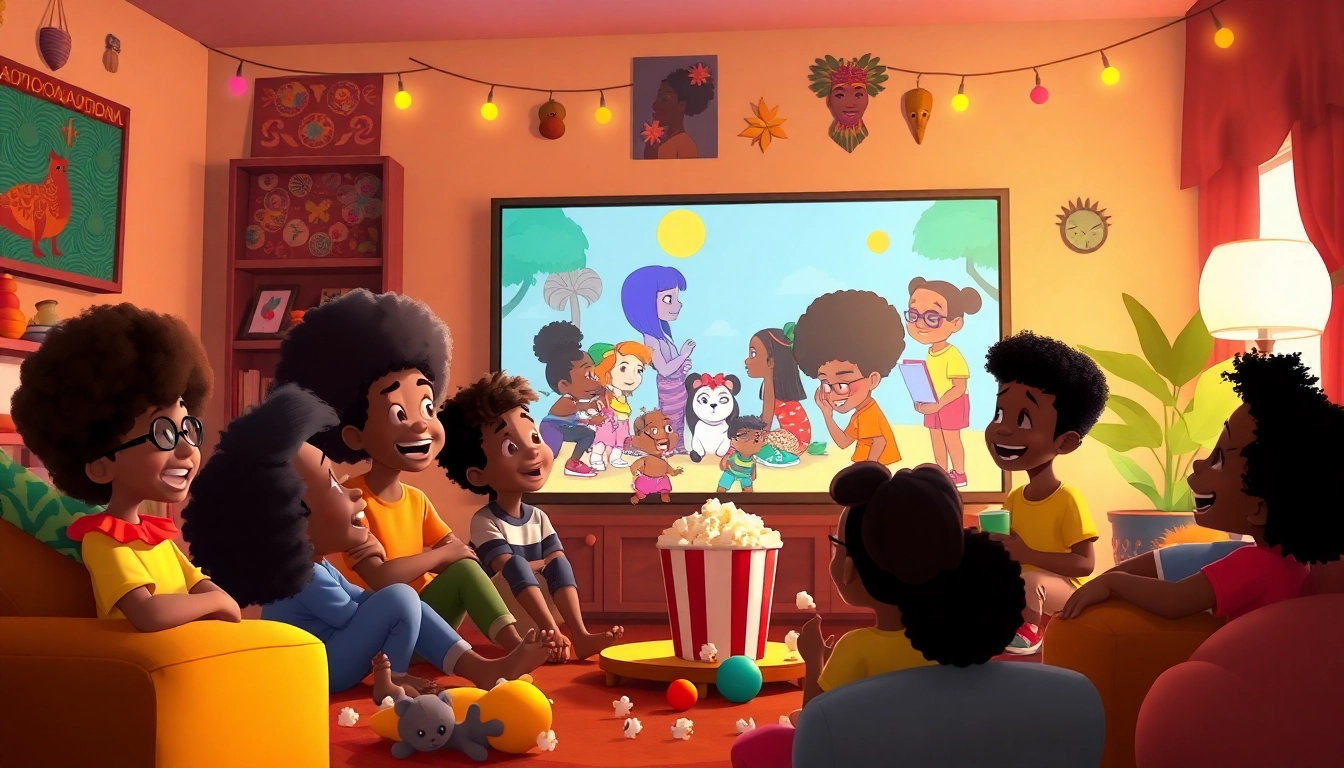
Understanding the Role of African American Cartoons in Modern Media
In recent years, African American cartoons have emerged as a vital component of the media landscape, bridging gaps and fostering understanding among diverse audiences. These animated showcases not only entertain but also serve to educate and represent the rich tapestry of African American culture and experiences. As the world becomes increasingly interconnected, the representation in animation plays a pivotal role in shaping perceptions and encouraging dialogue across generations. When exploring options, African American Cartoons offer an extensive catalogue of content that contributes to this critical conversation.
1. Historical Significance of African American Animation
The origins of African American animation can be traced back to the early 20th century, with characters that both challenged stereotypes and reflected the cultural richness of the African American experience. Iconic figures such as Br'er Rabbit and the characters from The Harlem Renaissance showcased a shift from caricature to more nuanced storytelling. The work of pioneers like Floyd Norman and studios like Will Vinton Productions set the foundation for future creators to explore themes of identity, resilience, and community.
2. Cultural Representation and Its Impact on Children
Cultural representation in media profoundly affects children's understanding of themselves and others. African American cartoons not only entertain but also normalize diverse experiences, enabling children of all backgrounds to see themselves reflected in various narratives. Shows like The Proud Family and Doc McStuffins empower children by showcasing relatable characters and situations, fostering empathy and acceptance in young viewers. By introducing diverse stories, animation can challenge the status quo and promote inclusivity in today's society.
3. The Evolution of Character Design in African American Cartoons
Character design has dramatically evolved in African American cartoons, moving from exaggerated portrayals to more authentic representations. Modern animations place emphasis on individuality and cultural nuances, allowing characters to resonate with viewers on a deeper emotional level. This evolution not only reflects a growing recognition of diversity in animation but also highlights the importance of supporting authentic artistic voices from the African American community.
Top African American Cartoons That Promote Diversity
1. Iconic Series to Introduce to Your Kids
There is an impressive array of African American cartoons that children can enjoy while also learning important social values. Series such as The Boondocks offer sharp social commentary laced with humor, while shows like Motown Magic blend music and animation to celebrate African American culture. These series often provide parents with an opportunity to engage their children in discussions about race, identity, and history.
2. New Releases Worth Watching in 2026
As we look into 2026, several new African American cartoons are set to make their mark on the animation landscape. Upcoming titles like Young Justice: Phantoms and Super Monsters: Dia de los Muertos promise to bring fresh narratives centered around diversity and cultural appreciation. These shows aim to tackle relevant social themes while remaining engaging for children of all ages.
3. Encouraging Conversations About Race Through Animation
Animation serves as a powerful tool for fostering conversations about race and social justice among children and adults alike. By discussing the themes present in shows like Black Panther: Tales of Wakanda or Big Hero 6: The Series, families can address complex issues such as identity, privilege, and discrimination in an approachable way. These narratives not only entertain but encourage critical thinking and compassion.
Creating a Positive Viewing Experience with African American Cartoons
1. Selecting Age-Appropriate Shows for Different Stages
When selecting African American cartoons for children, it's essential to consider age-appropriateness. Young viewers may benefit from shows that focus on simple life lessons, such as Doc McStuffins, while older children can engage with more complex narratives presented in series like The Boondocks or Teen Titans Go! Tailoring viewing experiences to developmental stages ensures that children grasp the messages behind the stories, fostering growth and understanding.
2. Engaging Kids to Reflect on Themes in Cartoons
Encouraging children to reflect upon themes presented in their favorite African American cartoons can lead to meaningful discussions. Parents can ask open-ended questions about characters' choices or the moral lessons depicted in the stories. Engaging children in this way not only enhances their critical thinking skills but also reinforces the values of empathy and understanding through the narratives they consume.
3. Family Activities Inspired by Favorite Shows
To deepen the viewing experience, families can partake in activities inspired by the themes and characters in African American cartoons. Creating art projects influenced by shows like Motown Magic, cooking recipes that reflect cultural dishes from series like The Proud Family, or organizing family movie nights can all foster bonding while celebrating African American culture.
Exploring the Future of African American Cartoons
1. Upcoming Trends in Animation and Representation
The future of African American cartoons is bright, with ongoing trends toward inclusivity and authentic storytelling. As animation technology continues to evolve, we can expect more diverse voices and stories to emerge, reflecting the realities of today's multicultural society. This progressive shift in animations aims to break away from stereotypes and offer deeper explorations of identity and culture.
2. The Role of Streaming Services in Changing Accessibility
With the rise of streaming services, access to African American cartoons has drastically improved, allowing viewers to discover a wider variety of content than ever before. Platforms like Netflix, Hulu, and Disney+ are investing in original programming that highlights African American culture, making these stories more accessible to families across the globe. This surge in availability is ensuring that the voices of African American creators are heard and celebrated.
3. Predictions for New Characters and Storylines in 2026
As we progress into 2026, audiences can look forward to exciting new characters and storylines that continue to push the boundaries of animation. Upcoming projects focus on contemporary issues such as mental health, environmentalism, and the impact of technology on daily life. These narratives will serve not only as entertainment but also as a conduit for important conversations about the future of society.
How to Support African American Animated Content Creators
1. Advocating for More Diverse Storytelling in Animation
Supporting African American animated content creators starts with advocacy for more diverse storytelling in the industry. Audiences can promote initiatives aimed at increasing representation behind the scenes, encouraging networks and studios to invest in a wider range of stories. Engaging in conversations about diversity within the animation community fosters a collective movement towards inclusivity.
2. Finding and Supporting Black-Owned Animation Studios
Patronizing Black-owned animation studios not only amplifies their voices but also ensures that stories from the African American perspective are told authentically. Researching and supporting independent creators can make a significant impact on the animation landscape, allowing for a richer variety of content that aligns with diverse cultural narratives.
3. Engaging with Online Communities and Resources
Joining online platforms and forums that focus on African American animation allows fans to discuss, celebrate, and share their favorite content. Engaging with these communities fosters a sense of belonging and provides a space for sharing resources, recommendations, and promoting relevant projects that elevate underrepresented voices in animation.