Understanding the Different Types of Refrigerators
When it comes to selecting a new refrigerator, understanding the various types is essential for making an informed choice. Each type of refrigerator is designed with specific functionalities and styles that cater to different user needs. From maximizing kitchen space to ensuring optimal food preservation, this guide will explore the most common types of refrigerators available today.
Top-Freezer Refrigerators
Top-freezer refrigerators are one of the most traditional styles found in homes. Characterized by a freezer compartment located at the top, these refrigerators offer several advantages:
- Affordability: Generally, top-freezer models are less expensive than other styles, making them a budget-friendly choice.
- Space Efficiency: Their taller and narrower design helps save space, making them suitable for kitchens with limited room.
- Simple Layout: The straightforward design makes it easy to access both the freezer and refrigerator compartments without complex features or functionalities.
Side-by-Side Refrigerators
Side-by-side refrigerators feature two vertically oriented compartments: one side for the refrigerator and the other for the freezer. This design offers distinct advantages:
- Convenient Access: Users can easily access both fresh goods and frozen items without bending down or reaching high.
- Increased Storage Space: These models often come with adjustable shelves and greater overall capacity, allowing for better organization.
- Modern Design: The sleek look of side-by-side refrigerators fits well in contemporary kitchens.
French Door Refrigerators
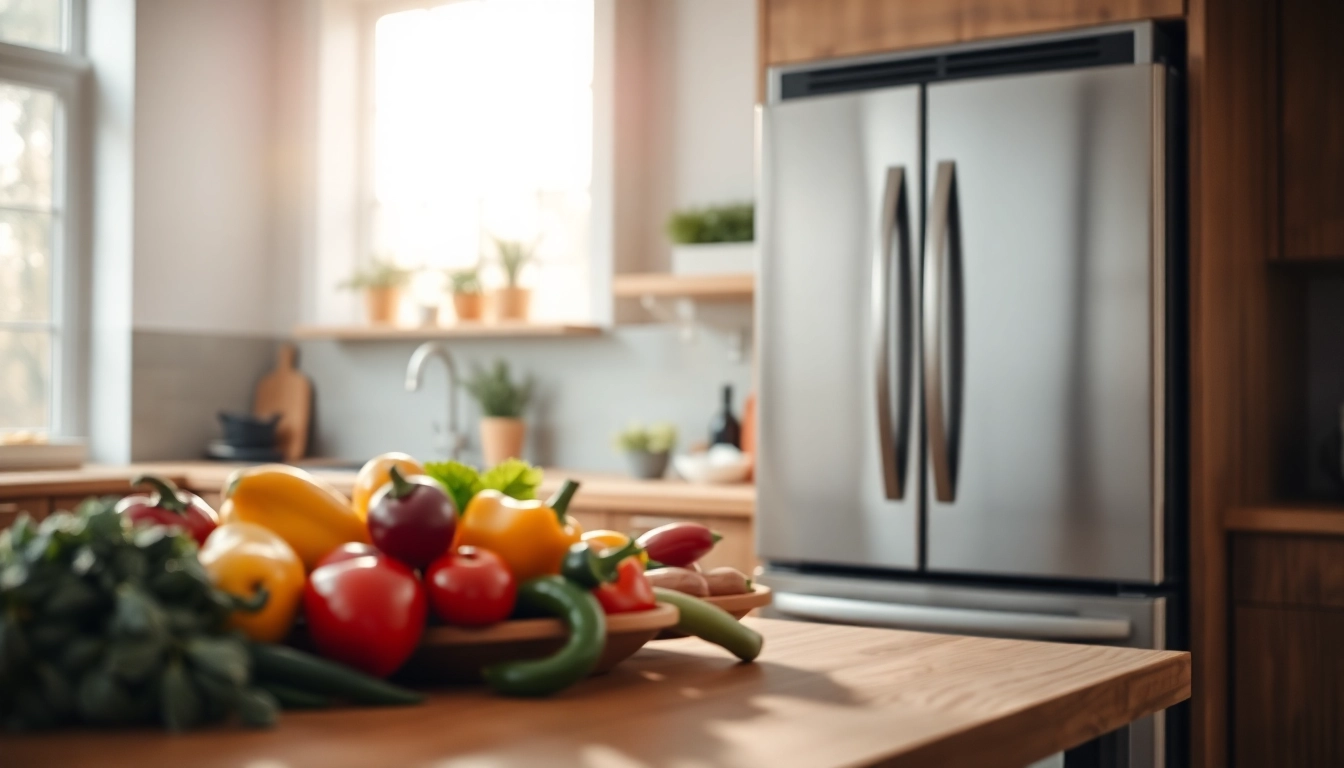
French door refrigerators are known for their stylish, upscale design, featuring two doors for the refrigerator compartment and a pull-out freezer drawer. Some benefits include:
- Wide Access: The side-by-side doors allow for easy access to wide shelves, accommodating large containers and platters.
- Energy Efficiency: Traditionally, these models tend to use energy more efficiently compared to other types, saving on utility costs.
- Advanced Features: Many French door refrigerators come equipped with modern amenities like temperature-controlled drawers and smart technology.
Key Features to Consider When Buying a Refrigerator
When shopping for a new refrigerator, various key features can influence your decision. Understanding these elements can help you choose a refrigerator that suits your lifestyle and needs.
Energy Efficiency Ratings
Energy efficiency is a crucial consideration when selecting a refrigerator. Look for models with the ENERGY STAR label, which indicates compliance with energy efficiency guidelines set by the Environmental Protection Agency. An energy-efficient refrigerator conserves energy and can lead to lower utility bills.
Size and Capacity
When determining the appropriate size and capacity, consider the dimensions of your kitchen space and your food storage needs:
- Kitchen Space: Measure the height, width, and depth of the space intended for the refrigerator. Ensure there is enough clearance for door swing and ventilation.
- Family Size: The larger the household, the greater the capacity you may require. As a general rule, plan for 4-6 cubic feet of space per person.
Cooling Technology and Performance
Not all cooling technologies are created equal. Innovations in refrigerator cooling can impact food preservation and energy consumption:
- Conventional Cooling: Most refrigerators utilize a traditional refrigerant-based system with a compressor.
- Dual Evaporator: Models featuring dual evaporators maintain separate airflow between the fridge and freezer to prevent odors and improve performance.
- Smart Cooling: Some advanced models come with Wi-Fi connectivity, enabling users to monitor and adjust settings remotely.
How to Measure Your Space for a New Refrigerator
Properly measuring your kitchen space for a refrigerator is vital to ensure a smooth fit. Follow these guidelines to avoid common pitfalls:
Understanding Dimensions
When measuring your space, consider not only the width and height but also the depth:
- Width: Ensure there's enough space for doors to open fully.
- Height: Measure from the floor to the upper cabinets or ceiling.
- Depth: Factor in the depth of the refrigerator itself and any adjoining cabinetry.
Allowing for Door Swing and Ventilation
Next, ensure there’s adequate room for door swings and proper ventilation:
- Door Swing: Account for the swing radius and ensure ample spacing for people to access the refrigerator comfortably.
- Ventilation: Ensure there’s at least an inch of clearance on all sides of the refrigerator to allow for proper airflow, enhancing energy efficiency.
Making Smart Placement Choices
Reflect on the practical aspects of placement as well:
- Convenient Access: Place the refrigerator near the prep and cooking areas for ease of access.
- Out of Direct Sunlight: Avoid locations that receive constant direct sunlight, which can lead to increased energy consumption.
Common Refrigerator Problems and Solutions
Even the best refrigerators can encounter issues. Here are common problems and how to troubleshoot them:
Temperature Control Issues
If you notice the refrigerator is too warm or compartments are freezing, check the temperature settings:
- Settings: Ensure that the settings align with manufacturer recommendations.
- Blocked Vents: Inspect for food items blocking air vents, disrupting airflow.
- Door Seals: Check for damaged gaskets that could let in warm air.
Noise and Vibration Problems
Normal operation should be relatively quiet. Here are some remedies for annoying sounds:
- Leveling: Ensure the refrigerator is level as an unbalanced appliance can cause vibrations.
- Loose Parts: Inspect internal components like shelves, bins, and augers for loose connections.
Water Dispenser and Ice Maker Troubles
If your water dispenser or ice maker has stopped working, consider these checks:
- Water Supply: Ensure the water line is properly connected and the valve is open.
- Filters: Replace clogged water filters that can inhibit flow.
Maintaining Your Refrigerator for Longevity
To ensure your refrigerator remains in peak condition, regular maintenance is key:
Regular Cleaning and Maintenance Tips
Establish a routine for cleaning and maintaining your refrigerator:
- Interior Cleaning: Regularly wipe down shelves and compartments with a mild solution to remove spills and odors.
- Coils: Clean ventilation coils at the back or underneath of the unit to prevent dust buildup that can impact performance.
When to Call a Professional Technician
If issues persist beyond your troubleshooting capabilities, it may be time to reach out for professional help. Consider a technician's assistance for:
- Complex Electrical Issues: If you suspect electrical faults, consult a qualified technician.
- Sealed System Problems: Complex repairs involving refrigerant should only be handled by licensed professionals.
Seasonal Checks and Best Practices
Staying proactive with seasonal checks can improve performance:
- Spring Cleaning: Conduct a thorough cleaning and inspection in spring to prepare for the warmer months.
- End of Summer: Check seals and general performance as the high usage in summer may have stressed the unit.
Frequently Asked Questions
What is the difference between a fridge and a refrigerator?
A fridge is a compact cooling appliance for basic storage, while a refrigerator includes more advanced features like adjustable temperatures and compartments for various foods.
How much will a refrigerator cost?
Prices vary by type: bottom freezer ($750-$4,000), side-by-side ($1,000-$10,000), and French door ($1,200-$11,000) models provide a wide range of options.
Do I need to defrost my refrigerator?
Manual defrosting is necessary for older models when ice builds up significantly, while most modern refrigerators have frost-free settings to avoid this need.
How often should I clean my refrigerator?
A good rule of thumb is to clean the inside every 1-2 months and the exterior at least once every couple of months for optimal hygiene and performance.
What should I do if the refrigerator is not cooling properly?
Check the temperature settings, inspect the door seals for damage, and clear any blockages around airflow vents to restore proper cooling.