




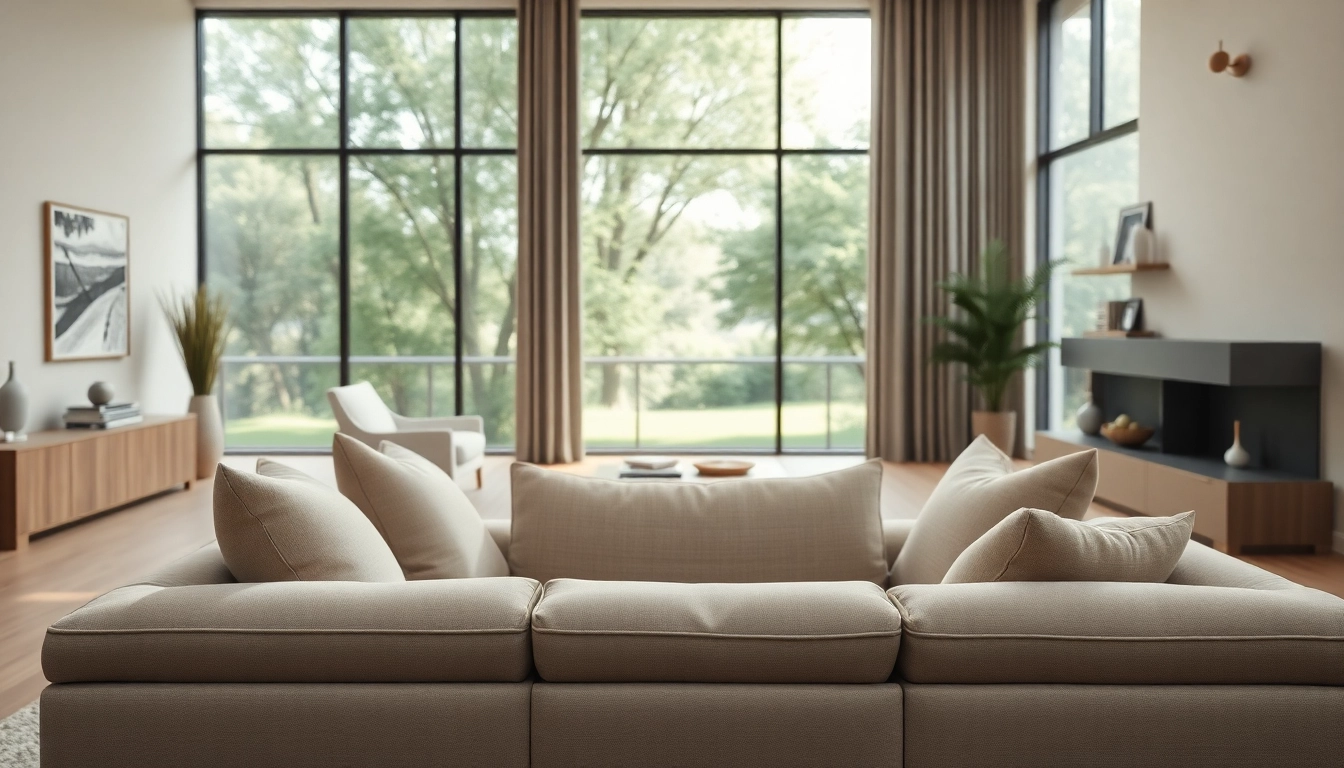
Understanding Seamless Living in Home Design
The Concept of Seamless Living
Seamless Living refers to the harmonious integration of various elements in home design, creating a fluid experience that blends aesthetics, functionality, and comfort. It’s about designing spaces that feel connected and unified, offering homeowners a sense of peace and tranquility. In today’s fast-paced world, the drive towards Seamless Living reflects a growing desire to simplify and enhance quality of life through intentional space design.
Key Elements of Seamless Living Spaces
To achieve a Seamless Living environment, several key elements must be considered:
- Open Spaces: Open-plan layouts facilitate effortless movement and interaction within different areas of the home, reducing barriers and enhancing connectivity.
- Natural Materials: Incorporating wood, stone, and other natural materials fosters a sense of warmth and organic beauty that draws occupants into the space.
- Consistent Color Palettes: A cohesive color scheme throughout the home ensures visual continuity and creates a calming atmosphere.
- Functional Furnishings: Choosing multi-functional furniture pieces supports both practicality and seamless design, allowing for an adaptable living space that evolves with the homeowner’s needs.
Benefits of Embracing Seamless Living
The benefits of embracing a Seamless Living approach are manifold:
- Enhanced Aesthetics: A well-designed seamless space is visually pleasing and can elevate a home’s overall ambiance.
- Increased Functionality: By focusing on functionality alongside design, homeowners can optimize their space usage without sacrificing style.
- Stress Reduction: The calming effect of a cohesive environment contributes to reduced anxiety and fosters a more relaxed lifestyle.
- Improved Social Interactions: Seamless spaces encourage family gatherings and social interactions, reinforcing relationships and community bonds.
Design Principles for Seamless Living
Balancing Space and Functionality
Achieving a balance between space and functionality is crucial in Seamless Living. Homeowners should focus on creating zones that serve distinct purposes while maintaining a flow throughout. This can involve strategic furniture placement, zone delineation using rugs or lighting, and ensuring pathways remain clear and inviting.
How Color Choices Affect Seamless Living
Color plays a pivotal role in the perception of space. Lighter shades can open up an area, making it feel more expansive, while darker tones may create a cohesive and intimate atmosphere. Incorporating an accent color can serve as a focal point, drawing attention and adding depth to a design without overwhelming the senses.
Textural Harmony in Seamless Living Spaces
Textures work hand-in-hand with visual elements to create an immersive experience. Mixing textures such as smooth ceramics with plush fabrics not only enhances comfort but also adds layers to the design. Careful consideration of texture can enrich the tactile experience of a space, making it feel inviting and dynamic.
Incorporating Nature into Seamless Living
The Role of Indoor Plants
Indoor plants are essential for infusing life into Seamless Living spaces. They not only purify the air but are visually impactful as well. Choosing plants that fit the design aesthetic while ensuring they are cared for appropriately contributes to a healthier home environment.
Natural Light and Open Spaces
Natural light is a cornerstone of Seamless Living. By maximizing daylight through large windows or glass doors, homes become brighter and more inviting. Open spaces allow light to flow freely, enhancing the ambiance and reducing the need for artificial lighting during the day.
Biophilic Design Principles
Biophilic design involves creating a connection between nature and indoor environments. This can include elements like natural materials, plant integration, and views of nature. Implementing biophilic principles can enhance mood, productivity, and overall wellness, aligning perfectly with the concept of Seamless Living.
Creating Personalization Without Clutter
Thoughtful Decor Choices
Personalizing your space in a Seamless Living context should be intentional. Opt for decor that reflects personal stories or experiences while remaining minimalist to avoid overwhelming the senses. Simple, statement pieces often provide more impact than a crowded design.
Minimizing Clutter for a Clear Mind
A clutter-free environment supports mental clarity and peace. Regularly assessing belongings and utilizing storage solutions can help maintain an organized space. A clear environment is conducive to clear thinking, encouraging a mindful lifestyle.
Functional Art in Seamless Living
Art can be functional and serve as a conversation starter while complementing the design. Choose pieces that can serve dual purposes, like an artistic shelf or a sculptural light fixture. This strategy not only beautifies a home but also enhances its functionality.
Implementing Seamless Living Practices at Home
Step-by-Step Guide to Redesigning Your Space
Redesigning for Seamless Living involves several steps:
- Evaluate: Assess the current layout and identify areas needing improvement.
- Plan: Develop a comprehensive design plan incorporating functionality, aesthetics, and personal style.
- Declutter: Remove unnecessary items to create a clean slate.
- Design: Implement the design, focusing on harmonious colors, textures, and materials.
- Personalize: Add decor that reflects your personality while remaining consistent with the overall theme.
Maintaining a Seamless Living Environment
To sustain a Seamless Living environment, ongoing maintenance is key. Regular cleaning, reassessing organizational systems, and updating decor can help uphold the initial vision of a cohesive space. Set aside time weekly or monthly for maintenance tasks to ensure that the home remains a haven for relaxation.
Measuring the Impact of Seamless Living
Evaluate the success of your Seamless Living implementation through various measures. This could include improvements in mood or productivity, the ease of maintaining cleanliness, and fostering stronger family interactions. Consider feedback from household members and adjust the design as needed to align with evolving lifestyle needs.
FAQs About Seamless Living
What is Seamless Living?
Seamless Living is a design concept focused on creating harmonious, interconnected spaces that enhance functionality, aesthetics, and overall comfort.
How can I start implementing Seamless Living?
Begin by evaluating your current space, decluttering unnecessary items, and developing a design plan that emphasizes open spaces and natural elements.
Are there specific colors that promote Seamless Living?
Neutral and soft tones often promote a calming atmosphere, while accent colors can provide visual interest without causing distraction.
How do indoor plants benefit Seamless Living?
Indoor plants enhance air quality, provide aesthetic appeal, and foster a connection to nature, enriching the overall living experience.
What should I prioritize when personalizing my space?
Focus on thoughtful decor choices that reflect your individuality while maintaining minimalist principles to keep the environment uncluttered.



More Stories
10 Simple Habits for a Balanced and Fulfilling Lifestyle
Revolutionary AI Sex Innovations to Enhance Your Intimate Experiences in 2025
Advanced NSFW AI: 2025’s Essential Chatbot Options for Adults