
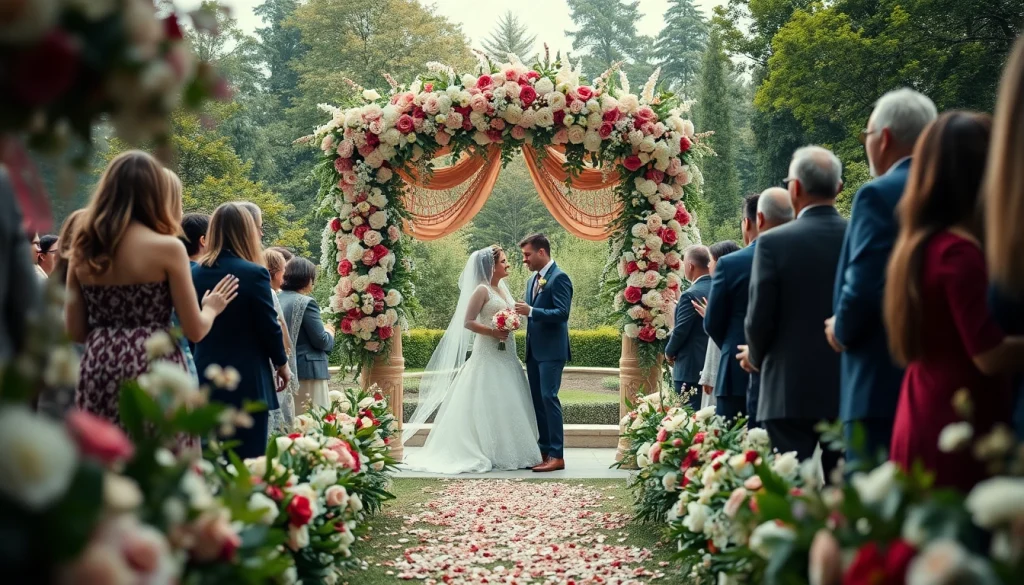
Understanding Wedding Photography
Definition and Importance of Wedding Photography
Wedding photography is a specialized field that focuses on capturing the moments and emotions of a wedding day. This art form goes beyond mere documentation; it tells the story of a couple’s love and the commemoration of their union. The importance of Wedding photography lies in its ability to encapsulate cherished memories that can be revisited for generations. High-quality images preserve moments of happiness and nostalgia, allowing couples and their families to share their story over and over again.
The Evolution of Wedding Photography Styles
Over the decades, wedding photography has undergone significant transformations. Initially characterized by posed and formal portraits, styles have diversified to include candid and documentary photography, which captures spontaneous moments throughout the day. In recent years, the rise of lifestyle and fine art photography has added a creative flair, focusing on storytelling through artistic angles and unique compositions. The evolution continues with the integration of digital technology, allowing photographers to experiment with post-production techniques and new styles that further enhance the visual narrative of weddings.
Key Elements of Effective Wedding Photography
Effective wedding photography encompasses several key elements that contribute to beautiful, timeless images:
- Lighting: Mastering natural and artificial lighting is crucial for capturing the mood and aesthetics of weddings.
- Composition: Understanding principles of composition ensures that each photo is visually engaging.
- Emotional Connection: Capturing candid moments of joy, laughter, tears, and love highlights the emotional depth of the day.
- Attention to Detail: Zooming in on intricate details such as rings, flowers, and décor elevates the storytelling aspect.
- Technical Skills: Proficient use of cameras, lenses, and editing software is essential to create high-quality images.
Choosing the Right Wedding Photographer
Factors to Consider When Hiring
When it comes to selecting a wedding photographer, several important factors should guide your decision:
- Style: Review the photographer’s portfolio to ensure that their style aligns with your vision.
- Experience: Consider photographers with a strong background in wedding photography, as they are familiar with the nuances of wedding days.
- Reviews and Recommendations: Seek testimonials from past clients to gauge their satisfaction and reliability.
- Budget: Determine your budget upfront to narrow down options that meet your financial parameters.
- Communication: Effective communication is key to establishing expectations and comfort between you and the photographer.
Types of Wedding Photography Packages
Wedding photography packages can vary widely based on the services offered. Here are some common types:
- Full-Day Coverage: This package typically covers all day events from getting ready to the end of the reception.
- Half-Day Coverage: Ideal for smaller weddings, covering essential moments without the extended hours.
- Destination Packages: Tailored for couples planning weddings away from home, inclusive of travel and accommodation expenses.
- Engagement Sessions: Many photographers offer pre-wedding sessions that can be included in a package.
- Albums and Prints: Options for physical products can be part of your package to ensure lasting memories.
Interview Questions for Photographers
Asking the right questions during your photographer selection process can help ensure a good fit. Here are some essential interview questions:
- What is your photography style, and can you show examples?
- How many weddings have you photographed?
- What does your package include, and are there any additional fees?
- How long will you take to deliver the final images?
- What is your policy for unforeseen circumstances, such as illness or emergencies?
Preparing for Your Wedding Photography Session
Essential Pre-Wedding Communication
Effective pre-wedding communication sets the stage for a smooth photography experience on the big day. Discuss key details such as timelines, important family members, and specific moments you’d like captured. Establishing this groundwork ensures the photographer understands your expectations and preferences, which can drastically impact the final outcome of your images.
Creating a Shot List for Your Photographer
Creating a shot list is a practical tool that helps guide your photographer throughout the day. Include must-have shots, such as family portraits, special decor features, and candid moments during the ceremony and reception. Ensure you balance essential shots with spontaneous opportunities for creativity, as some of the best images emerge when least expected.
Tips for Choosing Locations
Choosing the right locations for your wedding and photography is crucial for capturing beautiful images. Consider these tips:
- Scenic Backdrops: Select locations that reflect your personalities and offer diverse and attractive scenery.
- Time of Day: Be mindful of lighting conditions; golden hour provides flattering natural light.
- Accessibility: Ensure the locations are accessible for guests and the photographer to avoid logistical challenges.
- Wedding Venue: Utilize your venue’s picturesque areas for portraits to maximize the beauty of your setting.
Post-Production in Wedding Photography
The Editing Process: What to Expect
After the wedding day, post-production plays a vital role in achieving the final product. The editing process generally involves color correction, exposure adjustments, retouching images, and creating a cohesive look throughout the gallery. Expect this process to take several weeks, as photographers meticulously curate images to reflect their aesthetic and style.
Choosing Prints and Albums
Selecting prints and albums is an exciting part of the post-wedding experience. Discuss options with your photographer; many offer a range of high-quality prints and customizable album designs. When choosing, consider factors such as size, style, and whether you want a traditional album or a modern coffee table book. The right presentation will elevate your images and ensure they remain a cherished keepsake.
Digital vs. Physical Photography Preservation
While digital photography is convenient and increasingly popular, preserving physical prints adds a tangible dimension to your memories. Think about how you want to display your images; digital options like online galleries serve well for sharing, while framed prints and albums provide a lasting legacy. Consider combining both methods to cover all bases for today’s technology and nostalgic sentiments.
FAQs About Wedding Photography
What should I look for in a wedding photography portfolio?
Look for versatility, style, and emotional storytelling. High-quality images showcasing different aspects of weddings are essential.
How many hours of coverage do I need?
This depends on your schedule and events. Generally, 8-10 hours is sufficient for a typical wedding.
When should I book my wedding photographer?
It is advisable to book your photographer 6-12 months before your wedding to secure your preferred date.
Can we customize our wedding photography package?
Most photographers offer customizable packages based on your specific needs and budget. Discuss options during the consultation.
Do I get digital rights to my wedding photos?
This varies by photographer. Always clarify rights regarding prints and digital copies before signing a contract.