
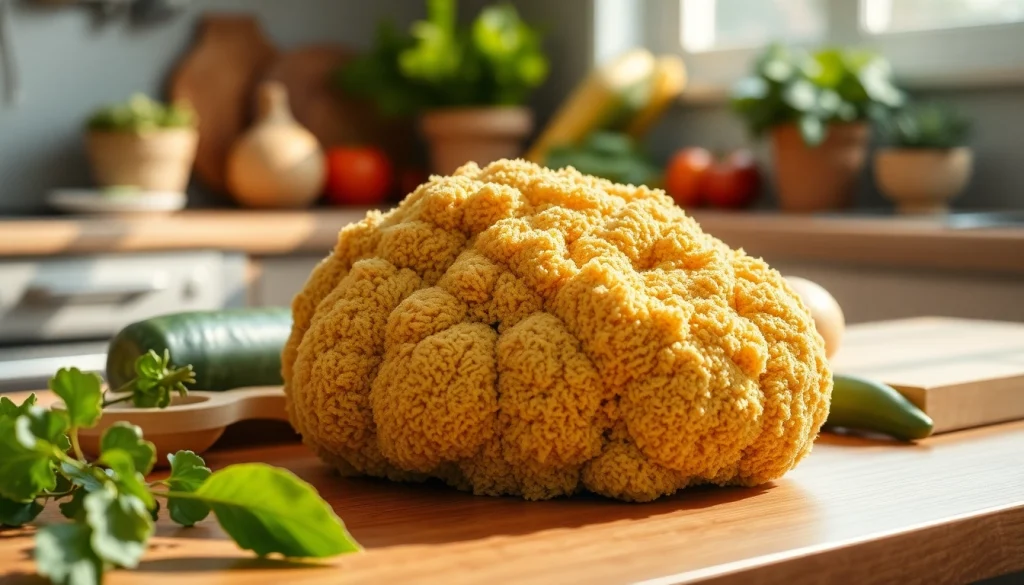
Understanding Kitchen Loofah Benefits
In a world increasingly aware of the need for sustainable living, the kitchen loofah benefits are garnering significant attention. This versatile kitchen tool is not only an excellent eco-friendly cleaning option but also boasts health benefits that can enhance your daily routines.
What is a Kitchen Loofah?
A kitchen loofah, often simply referred to as a loofah, is a natural sponge derived from the fibrous skeleton of the loofah gourd (Luffa aegyptiaca). Grown widely in tropical and subtropical regions, these gourds are harvested and processed into sponges that are both functional and biodegradable. Unlike synthetic sponges, kitchen loofahs are made from 100% natural plant materials, making them a sustainable choice for households aiming to reduce their environmental footprint.
Natural Properties of Kitchen Loofah
The loofah is characterized by its unique structure, consisting of a network of fibrous strands that provide excellent scrubbing properties. It is highly absorbent and has a coarse, textured surface that allows it to effectively remove dirt and grime without scratching surfaces. Furthermore, kitchen loofahs possess antibacterial properties, thanks to their natural composition and hardness, making them more hygienic than many synthetic alternatives.
Common Uses in Daily Kitchen Tasks
Beyond just being a cleaning aid, kitchen loofahs can be utilized in various daily tasks. They are perfect for:
- Washing dishes: Their coarse texture effectively cuts through grease and food residues.
- Scrubbing vegetables: Removing dirt from root vegetables without damaging their skin.
- Wiping surfaces: Acting as a natural sponge for countertops, stovetops, and appliances.
- Kitchen décor: Their aesthetic look can complement rustic kitchen designs.
Health Benefits of Kitchen Loofah
Exfoliation for Skin Health
One of the often-overlooked benefits of kitchen loofahs is their ability to exfoliate the skin. When used in personal care routines, they help remove dead skin cells, prompting skin regeneration. Regular exfoliation can also improve blood circulation and lead to healthier, more vibrant skin. This makes loofahs not only practical for kitchen tasks but also beneficial for personal hygiene.
Eco-Friendly Cleaning Solution
The environmental impact of household products can be substantial. Kitchen loofahs offer a sustainable alternative to plastic sponges, which contribute significantly to landfill waste. These biodegradable sponges break down after use, returning to the earth rather than polluting it. Their use reflects a growing trend towards eco-conscious cleaning methods, aligning with the values of environmentally aware consumers.
Reducing Chemical Exposure
Using kitchen loofahs can significantly reduce your exposure to harmful chemicals present in cleaning products. Many conventional sponges harbor bacteria and require cleaning agents that can be toxic to health and the environment. Kitchen loofahs can be used with minimal or no added chemicals, promoting a cleaner and safer kitchen environment.
Practical Applications of Kitchen Loofah
Using Kitchen Loofah for Washing Dishes
When washing dishes, a kitchen loofah can be a game-changer. Its fibrous texture handles tough stains and grime while being gentle on other dishware materials. It can be used effectively for both pots and pans, enhancing the efficiency of your dishwashing routine. Pairing it with a mild detergent ensures a comprehensive clean without the environmental impacts of harsher chemicals.
Loofah in Food Preparation
Loofah is also practical for food preparation. Its suitability for scrubbing vegetables like potatoes, carrots, and cucumbers helps remove surface dirt and pesticides. Unlike synthetic alternatives, kitchen loofahs won’t retain odors or flavors, keeping your produce fresh and free from contaminants.
Maintaining Kitchen Hygiene with Loofah
Hygiene is paramount in any kitchen, and kitchen loofahs can aid in maintaining cleanliness. Their natural antibacterial properties help minimize bacterial growth compared to traditional sponges. By regularly disinfecting your loofah and ensuring it’s well-maintained, you can use this tool to uphold high hygiene standards.
Choosing and Maintaining Your Kitchen Loofah
How to Select Quality Loofah
When choosing a kitchen loofah, opt for natural, untreated options. Look for loofahs that are firm yet flexible, with minimal signs of mold or damage. Quality loofahs are often available in various sizes and shapes, offering versatility depending on your specific cleaning needs.
Proper Cleaning and Care Tips
To extend the life of your kitchen loofah, it’s essential to practice proper cleaning and care. After each use, rinse it thoroughly to remove food particles. Periodically, soak it in a solution of vinegar and water or run it through the dishwasher to eliminate bacteria. Always ensure it dries completely in between uses to prevent mildew growth.
When to Replace Your Kitchen Loofah
Despite their durability, kitchen loofahs do have a lifespan. Replace your loofah when it shows significant wear, such as fraying or discoloration, or after approximately 2-3 months of use. Regular replacement helps maintain optimal hygiene and effectiveness during cleaning tasks.
Frequently Asked Questions About Kitchen Loofah Benefits
Are Kitchen Loofahs Biodegradable?
Yes, kitchen loofahs are entirely biodegradable. After use, they will break down naturally, making them an eco-friendly choice.
Can Kitchen Loofahs Help with Allergies?
Kitchens loofahs can reduce allergen exposure by minimizing the need for harsh chemical cleaners, thus improving indoor air quality.
How Should I Clean My Kitchen Loofah?
Clean your kitchen loofah by rinsing it after each use. Soak it occasionally in vinegar or run it through the dishwasher for deep cleaning.
What are the Best Uses for Kitchen Loofah?
Kitchen loofahs excel at scrubbing dishes, cleaning vegetables, wiping surfaces, and maintaining kitchen hygiene effectively.
Is Using a Kitchen Loofah Safe for Food?
Yes, kitchen loofahs are safe for food preparation. They are effective at cleaning vegetables without transferring harmful chemicals.