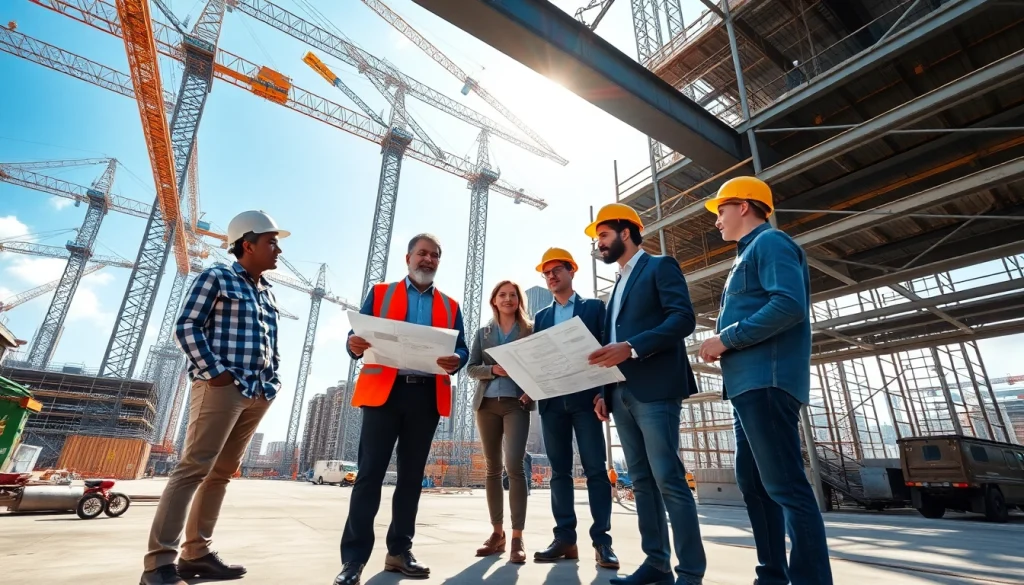
Understanding the Role of a Manhattan Construction Manager
The role of a Manhattan Construction Manager is pivotal in the landscape of urban development. Positioned at the intersection of infrastructure, design, and stakeholder communication, these professionals ensure that projects not only meet deadlines and budgets but also align with the unique architectural and regulatory challenges of Manhattan. This article delves deep into the responsibilities, challenges, tools, and best practices that define the successful operation of a construction manager in the bustling environment of Manhattan.
Core Responsibilities and Skills
A Manhattan Construction Manager bears the brunt of overseeing construction projects from inception to completion, which encompasses a plethora of responsibilities including:
- Project Planning: Developing detailed project plans that outline scopes of work, timelines, and budgets.
- Resource Allocation: Identifying and deploying the necessary resources including labor, materials, and equipment.
- Regulatory Compliance: Ensuring all construction activities adhere to local codes, laws, and regulations pertinent to NYC.
- Quality Control: Implementing quality assurance processes to maintain high standards throughout the build.
- Risk Management: Identifying potential risks and developing mitigation strategies to minimize their impact.
In addition, key skills that differentiate a proficient construction manager include strong communication capabilities, leadership experience, negotiation skills, and a deep understanding of construction methodologies.
Importance in Urban Projects
The vitality of a Manhattan Construction Manager in urban development cannot be overstated. With the relentless pace of New York City’s growth, these managers address the intricate dynamics of urban projects that often involve:
- Site Constraints: Navigating limited space in densely populated areas while optimizing land use.
- Community Engagement: Coordinating with local residents and businesses to manage noise, traffic disruption, and construction timelines.
- Cultural Sensitivity: Incorporating the rich history and character of Manhattan into new developments.
Due to these factors, a Manhattan Construction Manager must exhibit keen situational awareness and adaptability in their management style.
Collaboration with Stakeholders
An essential component of the role involves fostering collaboration with a diverse array of stakeholders. This includes:
- Architects and Designers: Coordinating closely during the design phase to address feasibility and budget constraints.
- Contractors: Overseeing the contractors’ work and ensuring adherence to project specifications and standards.
- Clients: Maintaining regular communication to ensure their vision is realized while managing expectations about challenges and changes.
- Local Government: Interfacing with local entities to secure permits and address municipal regulations.
Through effective communication and relationship management, a Manhattan Construction Manager can create synergistic environments that enhance project delivery.
Key Challenges Faced by Manhattan Construction Managers
Despite the rewarding nature of the role, Manhattan Construction Managers also face significant challenges that can impact the outcome of their projects. Understanding these challenges is critical to overcoming them successfully.
Managing Complex Regulations
The jurisdiction of New York City contains a labyrinth of regulations governing construction. Familiarity with local building codes, safety regulations, zoning laws, and environmental guidelines is essential. Failure to comply with these regulations can lead to project delays, fines, and potentially severe consequences. Therefore, construction managers must:
- Stay Informed: Regularly review updates on regulations and compliance requirements.
- Work With Experts: Collaborate with legal and compliance specialists to navigate complex regulatory requirements.
Budget Constraints and Cost Management
In an urban setting, budget constraints are a pervasive issue. The Manhattan construction landscape is notorious for escalating costs due to various factors including labor shortages and material price fluctuations. Strategies to manage these constraints include:
- Detailed Budgeting: Create comprehensive yet flexible budget plans that account for potential changes.
- Regular Financial Reviews: Conduct periodic budget assessments to identify variances and address them promptly.
- Value Engineering: Implement cost-saving techniques that do not compromise quality or safety.
Time Management Strategies
Time is of the essence in construction, especially in a city known for its competitive nature. Effective time management is crucial for maintaining schedules while managing unforeseen challenges. Thus, successful Manhattan Construction Managers will:
- Utilize Gantt Charts: Use project management tools to outline project timelines and track progress.
- Set Milestones: Identify key project milestones to keep the team focused and motivated.
- Daily Briefings: Conduct daily meetings to assess progress and troubleshoot immediate issues.
Essential Tools for the Manhattan Construction Manager
To thrive in their roles, Manhattan Construction Managers must leverage various tools that enhance project efficiency. Here are the most essential:
Project Management Software
Utilizing robust project management software is imperative for success. These tools allow construction managers to:
- Plan Projects: Outline project scopes, timelines, and resource allocations.
- Track Progress: Monitor real-time progress against established timelines, catering quick responses to delays.
- Manage Budgets: Keep expenditures in check while ensuring funds are allocated accurately.
Communication Platforms
Effective communication is the backbone of successful project management. Platforms such as Slack or Microsoft Teams facilitate:
- Real-time Communication: Allow teams and stakeholders to share updates instantly.
- File Sharing: Ensure all parties have access to necessary documents and plans without physical meetings or paper trails.
Risk Management Tools
Risk is inherent in construction, making risk management tools indispensable. These tools help construction managers identify, evaluate, and mitigate potential risks before they escalate into significant issues:
- Risk Assessment Frameworks: Utilize frameworks to categorize and assess risk throughout the project lifecycle.
- Contingency Planning: Create plans to address identified risks with specified responses.
Best Practices for Success
Success in the role of a Manhattan Construction Manager hinges on adopting best practices that promote effective execution, collaboration, and management.
Building Strong Teams
A collaborative team is fundamental to project success. Constructing a strong team involves:
- Selecting the Right Members: Choose team members based on their skills, experiences, and cultural fit within the organization.
- Providing Training: Invest in professional training to enhance team skills and competencies.
- Cultivating Trust: Build a culture of trust by promoting transparency and open dialogue.
Fostering Client Relationships
Building and maintaining strong relationships with clients is crucial. Effective strategies include:
- Regular Updates: Keep clients informed about project progress, challenges, and any required adjustments.
- Feedback Loop: Solicit feedback and actively engage clients in decisions impacting the development.
- Exceeding Expectations: Strive to deliver above contractual obligations, reinforcing client trust and satisfaction.
Continuous Professional Development
The construction landscape is continually evolving. Staying ahead requires ongoing professional development through:
- Industry Events: Attend workshops, seminars, and trade shows to learn about the latest technologies and practices.
- Networking: Build connections with peers and industry professionals for knowledge sharing and collaboration.
- Certifications: Pursue relevant certifications that reinforce knowledge and credibility in the field.
Future Trends for Manhattan Construction Managers
As the construction industry evolves, Manhattan Construction Managers must anticipate and adapt to future trends to remain effective in their roles. Several key trends are beginning to shape the future of construction management.
Sustainable Building Practices
The shift towards sustainability is undeniable. Construction managers will need to embrace green building practices that include:
- Energy Efficiency: Design and implement energy-efficient systems that comply with LEED certification.
- Material Reusability: Select materials that are sustainable and can be reused or recycled.
Technological Innovations in Construction
Emerging technologies are revolutionizing the construction industry. Managers should explore:
- Building Information Modeling (BIM): Implement BIM to enhance collaboration and accuracy in project design and execution.
- Drone Technology: Utilize drones for site inspections and monitoring, streamlining processes while enhancing safety.
- Virtual Reality (VR): Integrate VR into project presentations to provide immersive experiences for clients and stakeholders.
The Impact of Economic Changes
The broader economic landscape influences construction activity significantly. Managers should remain vigilant about:
- Market Trends: Analyze global and local economic indicators that may impact construction demand or costs.
- Financial Forecasting: Develop robust forecasting models to support project financial planning and investment.
In summary, the position of a Manhattan Construction Manager is multifaceted and demands a diverse skill set complemented by robust tools and practices. By understanding their responsibilities, overcoming challenges, employing effective tools, and remaining aware of future trends, these professionals can lead successful projects that shape the skyline of New York City, meeting project goals while fostering community engagement and promoting sustainability.