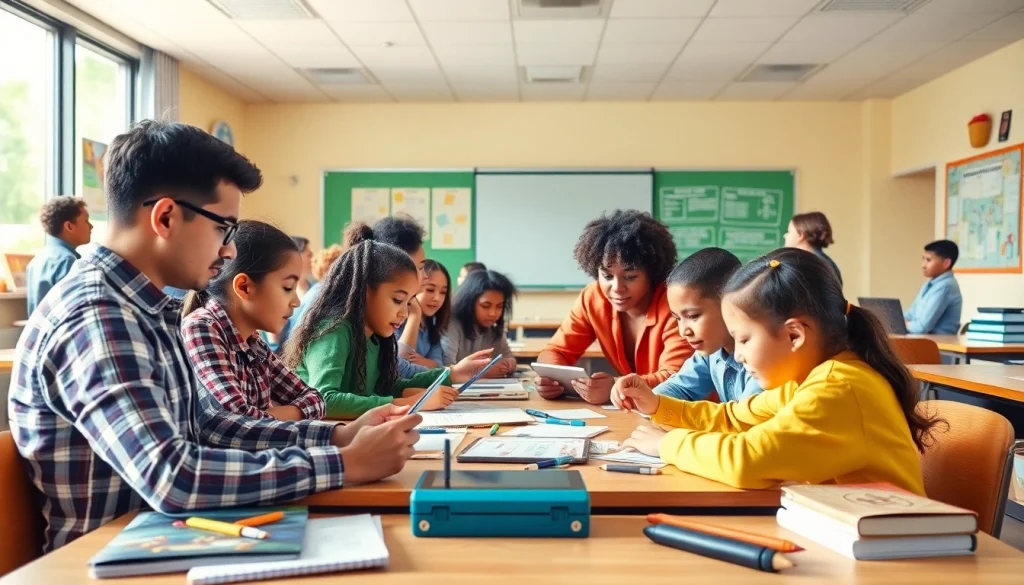
Understanding the Foundations of Education
Education serves as a cornerstone of society, playing a pivotal role in shaping individual lives and communities as a whole. At its essence, Education encompasses the processes through which knowledge, skills, and values are conveyed. With dramatic shifts in the global landscape, emphasizing the importance of quality education is crucial for fostering informed citizens capable of critical thinking and problem-solving. This section will explore the multifaceted nature of education, its societal role, and the principles underlying effective educational practices.
The Role of Education in Society
Education is not merely a personal journey but a societal obligation that contributes to community development and national growth. It lays the groundwork for equity and social justice by ensuring that everyone has access to essential resources. Education cultivates critical skills that are vital for economic stability, as a well-informed workforce can adapt to changing industry demands. Furthermore, education instills civic values that empower individuals to participate actively in democratic processes. From promoting cultural understanding to reducing crime rates, the influence of education on social dynamics is profound and far-reaching.
Types of Education: Formal vs. Informal
Education can be broadly categorized into formal and informal types. Formal education occurs within structured settings such as schools and universities, providing a curriculum designed to educate students in a systematic manner. This often includes standardized assessments and recognized qualifications that measure academic achievement.
On the other hand, informal education encompasses learning experiences outside of traditional classroom settings. This can involve self-directed learning, community involvement, or mentorship programs. Additionally, non-formal education includes organized programs that are not necessarily school-based, such as workshops and adult education classes. Understanding both formal and informal education is crucial in addressing diverse learning needs and promoting lifelong learning opportunities across all age groups.
Core Principles of Effective Education
At the foundation of impactful education lie several core principles that guide effective teaching and learning. First and foremost is the principle of inclusivity, which acknowledges the diverse backgrounds and abilities of learners. Creating an inclusive environment enables educators to meet individual needs, fostering engagement and participation.
Additionally, relevance is key; educational content must connect to the real world, providing students with applicable skills and knowledge. The principle of empowerment emphasizes facilitating student agency, allowing learners to take ownership of their education and develop critical thinking skills. Finally, ongoing assessment and feedback are essential for continuous improvement, enabling educators to adapt their approaches based on student performance and progress.
Innovative Teaching Strategies for Modern Education
As educational landscapes evolve, innovative teaching strategies emerge to better equip students for the challenges of the 21st century. Traditional teaching methods are being reimagined, with a focus on engaging learners through technology integration and collaborative formats. This section will delve into various contemporary pedagogical approaches that enhance student learning experiences.
Leveraging Technology in Education
The integration of technology in education has transformed the way students learn and interact with information. Online learning platforms, educational applications, and digital resources allow for personalized learning experiences that cater to individual preferences and pace. Furthermore, technology facilitates access to a wealth of information, enabling students to explore topics in depth beyond traditional textbooks.
Interactive tools such as virtual classrooms and educational games encourage engagement and collaboration among students. For example, the use of multimedia presentations can enhance understanding through visual and auditory stimuli, catering to various learning styles. Moreover, technology can assist educators in monitoring student progress through data analytics, allowing for timely interventions when needed.
Student-Centered Learning Approaches
Shifting the focus from teacher-led instruction to student-centered learning empowers learners to take an active role in their education. This approach encourages inquiry-based learning, where students are prompted to ask questions, explore ideas, and engage in critical discussions. Implementing project-based learning, where students work on real-world projects, fosters collaboration while developing problem-solving skills.
Another effective student-centered approach is differentiated instruction, where educators tailor their teaching methods to accommodate varying learning styles, interests, and abilities. This ensures that every student receives support and challenges suited to their unique needs. As a result, learners become more motivated and invested in their educational journey.
Collaborative Learning: Benefits and Implementation
Collaborative learning promotes teamwork, communication, and critical interpersonal skills. In classroom settings, students can engage in group discussions, peer teaching, and cooperative projects that enhance their understanding through collaboration. Implementing collaborative learning activities not only fosters deeper comprehension but also prepares students for future professional environments where teamwork is essential.
For successful implementation, educators should establish clear objectives, assign roles within groups, and provide guidance to ensure effective collaboration. Benefits of collaborative learning include increased engagement, development of social skills, and improved academic performance through shared knowledge and skills.
Measuring Success in Education
To ensure quality education, it is crucial to establish metrics that gauge success and student outcomes effectively. Understanding and applying these metrics can yield valuable insights for educators, policymakers, and stakeholders. This section will explore key performance metrics thoroughly, assessing student outcomes and the importance of feedback.
Key Performance Metrics for Educational Institutions
Educational institutions are often evaluated based on standardized test scores and graduation rates. However, a comprehensive approach to measuring success involves incorporating various metrics, including student engagement, retention rates, and post-graduation employment outcomes. By examining these indicators, institutions can identify areas for improvement and ensure that educational offerings align with workforce needs.
Developing a balanced scorecard approach provides a more holistic view of educational success, integrating quantitative metrics with qualitative assessments from student surveys and teacher evaluations. This enables stakeholders to make informed decisions and continuous improvements in the education system.
Assessing Student Outcomes: Methods and Tools
Assessing student outcomes is vital for understanding individual progress and program effectiveness. Various assessment methods can be employed, including formative assessments that provide real-time feedback during the learning process, and summative assessments that evaluate overall student learning at the conclusion of an instructional period.
Educators can leverage digital tools and platforms that enable personalized assessments and provide detailed insights into student performance. Using analytics allows instructors to identify strengths and weaknesses in individual learning areas, facilitating targeted interventions. Additionally, incorporating self-assessment and peer review processes fosters independence and critical reflection in students.
The Importance of Feedback in Education
Feedback plays a central role in guiding student learning and enhancing teaching practices. Timely and constructive feedback enables learners to understand their progress, identify gaps, and set goals for improvement. Effective feedback practices should focus on specific aspects of performance rather than general comments, encouraging a growth mindset among students.
Moreover, fostering an open dialogue between educators and students can cultivate a culture of trust and collaboration, where students feel comfortable seeking clarification and expressing their challenges. Encouraging self-reflection through feedback promotes accountability and self-directed learning.
Adapting Education for Diverse Learners
Recognizing and addressing diverse learning needs within educational settings is paramount for equitable access to quality education. This section will highlight strategies for understanding different learning differences, implementing inclusive practices, and supporting at-risk students effectively.
Understanding Learning Differences and Adaptations
Learning differences encompass a wide array of abilities and challenges that affect how individuals process information. Some students may struggle with specific learning disabilities, while others may have heightened abilities in certain areas. Understanding these differences allows educators to adapt their teaching methods and materials accordingly.
Implementing Universal Design for Learning (UDL) principles, educators can create flexible learning environments that offer multiple means of engagement, representation, and action/expression. This approach ensures that all students can access learning while accommodating their unique preferences and needs.
Inclusive Education Practices
Inclusive education aims to provide all students with opportunities to participate fully in educational experiences, regardless of their backgrounds or abilities. Educators can promote inclusive practices by fostering a welcoming classroom environment, utilizing diverse teaching materials, and incorporating culturally responsive pedagogy to engage all learners effectively.
Additionally, collaborating with support staff such as special educators and counselors can enhance teaching strategies and address specific needs more efficiently. Training for faculty on diversity and inclusion practices is essential to promote a common understanding and commitment to creating inclusive educational environments.
Strategies for Supporting At-Risk Students
At-risk students often face significant challenges that hinder their academic success. Strategies to support these learners include providing mentorship programs that connect students with role models, offering targeted interventions like tutoring, and employing restorative practices to address behavioral challenges.
Creating a supportive school culture involves fostering strong relationships between students and teachers, encouraging open communication, and actively involving families in the educational process. Regularly monitoring student progress and adapting support as needed can significantly improve outcomes for at-risk learners.
Future Trends in Education
The landscape of education is continually evolving, presenting new challenges and opportunities for learners and educators alike. By exploring emerging trends, we can better prepare students for future success. This section will examine the impact of artificial intelligence and automation on education, global perspectives on adaptation, and strategies to prepare students for future challenges.
The Impact of AI and Automation on Learning
Artificial intelligence (AI) and automation technologies are revolutionizing education, providing personalized learning experiences that were once unimaginable. AI-powered tools can analyze individual learning patterns and deliver tailored resources to meet specific needs.
Automation of administrative tasks, such as grading and scheduling, allows educators to devote more time to teaching and mentorship. However, the rise of technology also necessitates discussions about ethics, the digital divide, and the importance of human interaction in learning settings. Preparing students to navigate an increasingly automated world involves teaching critical thinking, adaptability, and digital literacy skills.
Global Perspectives on Education Adaptation
Education systems worldwide are undergoing significant transformations to adapt to changing economic and social conditions. Global perspectives can inform domestic practices and encourage the exchange of innovative ideas. For example, countries that prioritize experiential learning and hands-on skills education are often better positioned to meet workforce demands.
International collaborations among educational institutions can enhance curriculum development, resource sharing, and best practices, leading to a more resilient education system. Understanding the diverse contexts of education can lead to more inclusive policies and practices that respect cultural differences while promoting equity.
Preparing Students for Future Challenges in Education
Preparing students for future challenges requires a comprehensive approach that prioritizes critical skills like creativity, collaboration, and emotional intelligence. Educators must equip learners with the ability to think critically, communicate effectively, and embrace diversity in a globalized world. Cultivating a growth mindset encourages students to view challenges as opportunities, fostering resilience that will serve them in all areas of life.
Additionally, integrating sustainable development concepts into educational curriculums can raise awareness of global challenges and empower students to be active contributors to solutions. By providing a holistic education that embraces both academic and social-emotional learning, institutions can prepare students to navigate the complexities of the modern world successfully.