


Understanding Water Lilies and Their Benefits
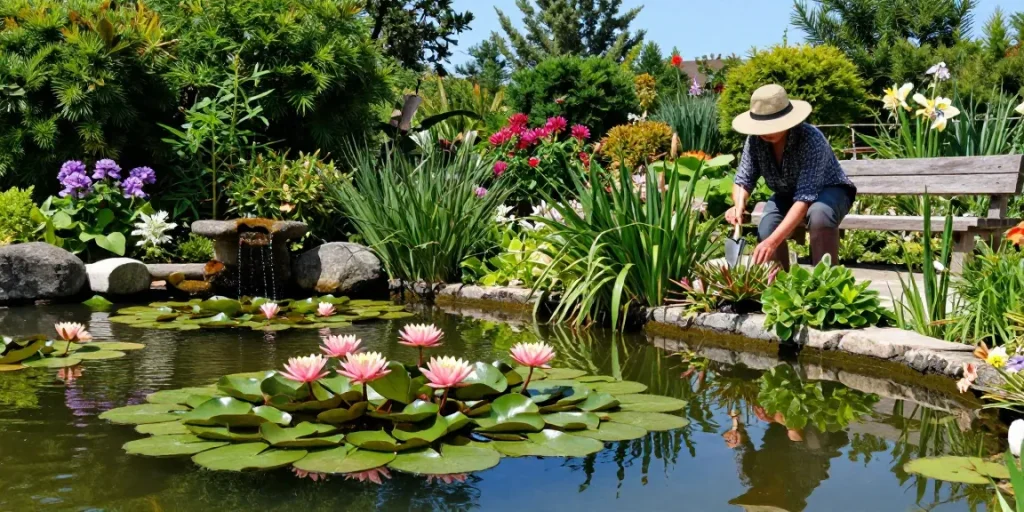
Water lilies are not just beautiful additions to your pond; they play a vital role in maintaining a healthy aquatic ecosystem. These aquatic plants belong to the family Nymphaeaceae and are characterized by their broad, floating leaves and stunning flowers that bloom in various colors. When it comes to enhancing the aesthetic appeal of your water garden, the decision to Buy Water Lilies is a highly rewarding choice. Beyond their visual appeal, water lilies provide numerous ecological benefits, which we will explore in detail.
What Are Water Lilies?
Water lilies are perennial aquatic plants that thrive in freshwater environments. They are primarily distinguished by their unique leaves, which can be round and flat, enable them to float on the water’s surface, and their stunning flowers that can last from summer to fall. There are two main types: hardy water lilies, which can survive in cooler climates, and tropical varieties, which require warmer temperatures to flourish. Each variety presents different flower colors and shapes, enriching the visual diversity of ponds.
The Ecological Benefits of Water Lilies
Water lilies contribute significantly to pond ecosystems. They provide shade, reducing water temperature and preventing excessive algae growth by limiting sunlight. Their leaves serve as platforms for insects and birds, contributing to the habitat’s biodiversity. Additionally, the roots of water lilies stabilize sediment, improving water quality and helping to keep the pond ecosystem balanced.
Common Misconceptions About Water Lilies
Many assume that water lilies require excessive maintenance or are challenging to grow, which is a common misconception. While proper care is essential, water lilies are relatively low-maintenance once established. Factors such as light, temperature, and water quality play a significant role in their growth, rather than an ongoing, labor-intensive care regimen.
Choosing the Right Types of Water Lilies
Choosing the right variety of water lilies for your pond is crucial for creating the perfect aquatic ecosystem. With numerous options available, understanding the unique characteristics of each type will help you make an informed decision.
Popular Varieties for Your Pond
- Hardy Water Lilies: These are perfect for cooler climates. Varieties such as ‘Marliac’s Black’ and ‘Pink Sensation’ are known for their resilience and beautiful blooms.
- Tropical Water Lilies: Ideal for warmer regions, varieties like ‘Aurora’ and ‘Starry Night’ provide vibrant colors and fragrances.
- Dwarf Varieties: For smaller ponds, dwarf species like ‘Pygmaea’ are excellent, offering all the beauty of larger varieties in a compact form.
Factors to Consider When Selecting Water Lilies
When selecting water lilies, consider the following:
- Climate: Ensure the variety you choose can thrive in your local climate.
- Pond Size: Larger varieties may overwhelm smaller ponds, while dwarf species can enhance confined spaces.
- Sunlight: Most water lilies require full sun (6-8 hours daily) for optimal growth.
Long-term Care for Different Species
Long-term care will vary based on the type of water lily. Hardy varieties generally require less care, needing division every few years. Tropical lilies may require more attention, such as seasonal replanting in warmer environments. Regular fertilization during the growing season can promote vibrant blooms and robust growth.
Optimal Conditions for Water Lily Growth
For water lilies to flourish, specific environmental conditions must be met. Understanding these needs will help you create the perfect habitat for them.
Water Quality and Temperature Requirements
Water quality is vital for the health of your water lilies. They thrive in slightly acidic to neutral pH levels (6.0-7.5) and prefer water temperatures between 70°F to 85°F (21°C to 29°C). Regular testing and keeping the water clean from pollutants will promote healthy growth.
Sunlight Needs for Thriving Water Lilies
As mentioned earlier, water lilies need full sun exposure for optimal blooms. Insufficient sunlight can lead to weak growth and fewer flowers. Position your pond in an area that receives ample sunlight throughout the day.
Soil Types and Nutrient Considerations
Water lilies prefer nutrient-rich soil. A mix of aquatic planting soil and clay will help retain moisture and anchor the plants. Fertilization using aquatic plant tabs can significantly enhance growth and flowering throughout the growing season.
Planting and Maintaining Water Lilies
Successfully planting and maintaining water lilies requires following specific guidelines to ensure their health and vibrancy.
Step-by-Step Guide to Planting Water Lilies
- Select the Right Pot: Use a wide, shallow container with drainage holes.
- Add Soil: Fill with aquatic planting soil, leaving space at the top for the water to cover the soil.
- Position the Rhizome: Place the water lily rhizome horizontally in the soil, ensuring the growing tips are facing upwards.
- Water Them In: Submerge the pot in your pond at a depth of 12-24 inches, depending on the variety.
- Monitor Growth: Regularly check for new leaves and adjust light exposure as necessary.
Essential Maintenance Tips for Healthy Growth
To keep your water lilies thriving, consider these maintenance tips:
- Remove dead or decaying leaves regularly to prevent rot.
- Inspect for pests or diseases and address them promptly.
- Fertilize every few weeks during the growth season using appropriate aquatic fertilizers.
Dealing with Pests and Diseases
Water lilies can be susceptible to pests such as aphids and snails. If you notice damage, treat the plants with safe insecticides or introduce natural predators. Fungal diseases can be prevented through good water quality and the removal of decaying plant material.
Future Trends in Aquatic Gardening in 2026 and Beyond
The world of aquatic gardening is evolving. Keeping up with trends will not only keep your pond looking beautiful but will also contribute to a more sustainable environment.
Innovative Techniques for Growing Water Lilies
New techniques such as aquaponics and hydroponics are becoming popular among enthusiasts for efficiently growing water lilies and other plants together. These methods promote healthy ecosystems while maximizing space.
Environmental Trends Impacting Aquatic Ecosystems
As environmental concerns grow, aquatic gardening practices are shifting towards more sustainable methods. Incorporating native plants and minimizing chemical use can significantly improve pond ecosystems and biodiversity.
The Rise of Sustainable Gardening Practices
More gardeners are focusing on sustainability. Practices such as using organic fertilizers, water recycling, and promoting biodiversity through diverse plant selections are now at the forefront of aquatic gardening.
Can I buy water lilies online?
Yes, many reputable garden centers and online retailers offer a variety of water lilies for sale, making it easier than ever to enhance your pond.
How do I care for water lilies in winter?
In winter, hardy water lilies can be left in the pond, while tropical varieties should be moved indoors to a warmer location. Ensure the water level remains above the crowns of the plants to protect them from freezing.
What are the best plants to pair with water lilies?
Plants such as cattails and irises complement water lilies beautifully while promoting biodiversity in the pond ecosystem.
How to propagate water lilies?
Propagation can be achieved by dividing rhizomes during the growing season. Ensure each division has at least one growing tip for successful replanting.
Are water lilies easy to grow for beginners?
Water lilies are relatively easy to grow and present a wonderful first project for aspiring aquatic gardeners, provided the ideal conditions are met.

More Stories
Elevate Your Bathroom with Elegant Showers Australia: Design, Features, and Trends
Top Strategies for Choosing Bathroom Remodeling Contractors to Transform Your Space
Enhancing Your Space: Designing a Cape Cod Home Addition